
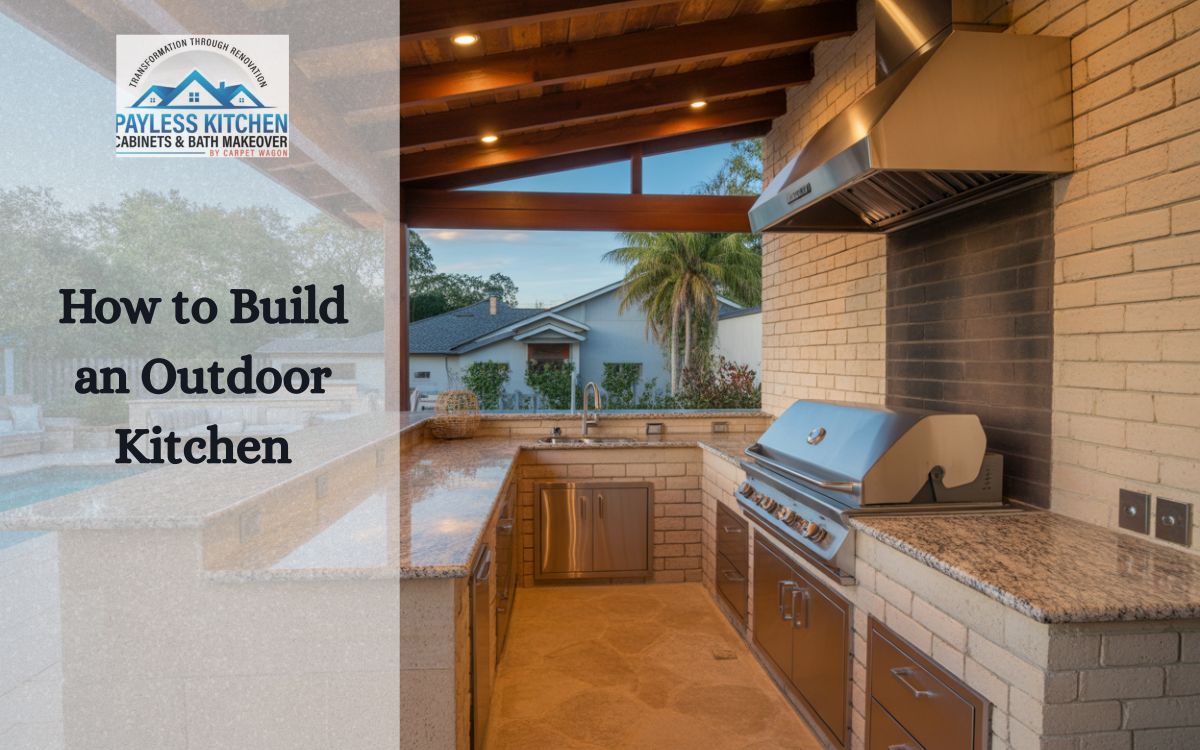
In Southern California, outdoor living space is an extension of the primary home. Designing an exterior culinary space in regions like Orange County, Riverside, or Ventura enhances lifestyle utility while securing a long-term return on property value. However, treating an exterior build like an indoor project is a costly error. Exterior spaces face intense ultraviolet exposure, seasonal thermal shifts, and strict municipal building codes.
Learning how to build an outdoor kitchen requires an understanding of structural engineering, landscape integration, and utility plumbing. A flawless, durable installation demands precise sequence management from pouring the initial slab foundation to hooking up the natural gas lines. For homeowners looking to tie their indoor and exterior living zones together seamlessly, partnering with established kitchen remodeling services ensures that your overall home architecture remains cohesive, code-compliant, and structurally sound.
Phase 1: Spatial Planning, Zoning, and Permits
The success of an outdoor kitchen relies heavily on its placement relative to the main structure and local utility lines.
Layout and Microclimates
- The Wind and Smoke Factor: Position the cooking zone so prevailing winds carry smoke away from your primary outdoor dining tables and open patio doors.
- The Golden Triangle: Just like an indoor setup, maintain an ergonomic relationship between the prep zone (counters), the cold zone (refrigerator), and the hot zone (grill).
Navigating Southern California Permits
Before digging a single trench, verify your local municipal codes. In many Ventura and Orange County zip codes, adding permanent gas lines or dedicated drainage systems beneath a hardscape requires a specific building permit. Furthermore, clearance rules often mandate that open-flame cooking appliances remain at least 10 feet away from combustible walls, patio overheads, or low-hanging trees.
Phase 2: Core Engineering and Utilities
An outdoor kitchen island is a heavy architectural asset that requires a foundational structure capable of resisting soil movement.
Foundation Specifications
Never construct an exterior kitchen on top of a standard, unreinforced paver patio. The entire cooking island must rest on a 4-inch thick concrete slab reinforced with rebar, poured over a well-compacted gravel base. This prevents the heavy island from settling unevenly and snapping internal gas or water connections over time.
Utility Rough-Ins (The Crucial Step)
All utilities must be brought to the precise footprint of the island before building the frame.
- Gas Lines: Natural gas lines require dedicated underground trenching and pressure testing by a licensed technician.
- Electrical Leads: GFCI outlets are required by code for outdoor refrigerators, rotisserie motors, and under-counter lighting. All wiring must run through rigid exterior-grade conduit.
- Drainage: If adding an outdoor sink, ensure your local code allows gray-water drainage into a dedicated drywell, or if it must tie directly into your home’s primary sewer line.
Phase 3: Framing the Island Matrix
Wood framing should be avoided in Southern California due to dry rot, termite activity, and heat transfer risks from high-BTU grills.
Steel Studs vs. Concrete Masonry
- Heavy-Gauge Steel Studs: Light, adjustable, and completely non-combustible. The steel track layout is anchored to the concrete slab, sheathed with water-resistant cement backer board, and wrapped in a waterproof membrane.
- Concrete Masonry Units (CMU): Building with stacked cinder blocks and mortar provides a virtually indestructible foundation. This method is preferred if your final finish involves heavy natural ledgestone or poured concrete countertops.
Contractor Perspective: “When we evaluate exterior kitchen plans in the inland Riverside heat, we always discourage wood framing near a built-in grill. Even pressure-treated lumber will warp over time from intense thermal cycling. Steel or masonry is the only way to ensure the framing stays true and square for a lifetime.”
Phase 4: Countertops and Appliance Integration
The choice of finish materials dictates how much maintenance your outdoor space will require after the construction dust settles.
Countertop Selection Criteria
Not all premium indoor surfaces survive outside.
- Approved Materials: Honed granite, quartzite, and concrete are excellent choices that resist UV degradation.
- Materials to Avoid: Standard quartz countertops use resin binders that will turn yellow and crack under direct Southern California sunlight.
Marine-Grade Appliances
Standard indoor stainless steel will rust when exposed to coastal air or winter rains. Ensure every component from the grill head to the access doors is built from 304 marine-grade stainless steel, which offers superior resistance to corrosion and oxidation.
Cost Expectations and Timeline Reality
Building an architectural-grade outdoor cooking space is a multi-phased project that requires careful financial and scheduling management.
- Financial Investment: A professional, fully permitted outdoor kitchen featuring premium masonry, 304 stainless appliances, and utility rough-ins typically starts around $12,000 to $25,000+, depending on the size and complexity of the utility runs.
- Construction Duration: The complete lifecycle of an exterior build generally spans 2 to 3 weeks on-site, allowing proper time for concrete curing, utility inspections, and custom stone masonry work.
Multi-Generational Craftsmanship Since 1985
At Payless Kitchen Cabinets, we believe a home upgrade should be engineered to endure. Celebrating over 40 years of business with more than 1,100+ verified 5-star reviews, our team brings precision engineering and complete process transparency to every project we touch across Southern California. From foundational stability to premium material integration, we focus on delivering clear, reliable guidance that protects your property equity.
Frequently Asked Questions (FAQ)
1. Do I need a roof or pergola over my outdoor kitchen?
A. While not structurally required if using marine-grade materials, adding a non-combustible pergola or pavilion protects your appliances from UV heat degradation and makes the space more comfortable for cooking during peak afternoon sun.
2. Can I run an outdoor kitchen on a standard propane tank?
A. Yes. If trenching a natural gas line across your yard is cost-prohibitive, you can configure your grill to run on a standard 20-lb propane tank housed safely inside a vented compartment beneath the island.
3. How do I winterize my outdoor kitchen?
A. In Southern California, full winterization isn’t necessary. However, during winter rains in Ventura or Orange County, we recommend shutting off the water supply to the outdoor sink, draining the line to prevent stagnant water, and placing heavy-duty, breathable covers over the grill and countertops.
Conclusion
Expanding your home’s culinary potential requires a careful blend of design vision and strict technical execution. If you are ready to explore how premium exterior materials and precise layout engineering can elevate your property, our specialists are ready to guide you.
Book a Comprehensive Home Evaluation with Payless Kitchen Cabinets today, or visit our showroom to discuss your upcoming 2026 design plans.