
For homeowners in Southern California, luxury vinyl plank (LVP) has become the gold standard for high-traffic areas like kitchens and bathrooms. It offers the warmth of natural wood with a resilience that withstands the unique humidity and temperature shifts of coastal and inland regions. However, the longevity of this investment is entirely dependent on the precision of the execution.
Learning how to install vinyl plank flooring is a lesson in patience and preparation. While many retail brands market these products as simple “click-and-lock” solutions, a professional-grade finish requires rigorous attention to subfloor leveling and expansion gaps to prevent future buckling. For those who prioritize a warrantied, flawless result over a DIY weekend project, securing a vinyl plank flooring installation from an established expert is the most reliable way to ensure long-term performance.
The Foundation: Subfloor Preparation and Climate Acclimation
In our decades of serving Orange County and Ventura, we have found that 90% of flooring failures are caused by poor preparation rather than product defects. Southern California’s slab-on-grade foundations present specific challenges that must be addressed before the first plank is laid.
1. The 48-Hour Acclimation Rule
Never install LVP directly from the store. The planks must sit in the room where they will be installed for at least 48 hours. This allows the material to adjust to your home’s specific humidity levels, preventing post-installation shrinking or expanding.
2. Testing for Flatness and Moisture
- The Flatness Standard: Use a 10-foot straightedge to check the subfloor. Any dips or humps greater than 3/16 of an inch must be leveled using a high-quality self-leveling compound or by grinding down high spots.
- Moisture Barriers: Even though vinyl is waterproof, moisture vapor rising through a concrete slab can trap alkaline salts, which may degrade the adhesive or backing over time. Always install a 6-mil polyethylene moisture barrier if your LVP does not have a pre-attached specialized backing.
Precision Layout: Planning for Symmetry
A common mistake in non-professional installations is ending up with a “sliver” of a plank at the far wall or having a crooked layout relative to the kitchen cabinets.
- Measuring the Rows: Measure the width of the room and divide by the width of the plank. if the remaining fraction is less than 2 inches, you should trim your starting row to ensure the final row has a balanced, substantial appearance.
- Staggering the Joints: To maintain structural integrity and a natural aesthetic, ensure the end joints of adjacent rows are offset by at least 8 to 12 inches. Avoid “stair-stepping” patterns, which create weak points in the locking system.
Step-by-Step Installation Process
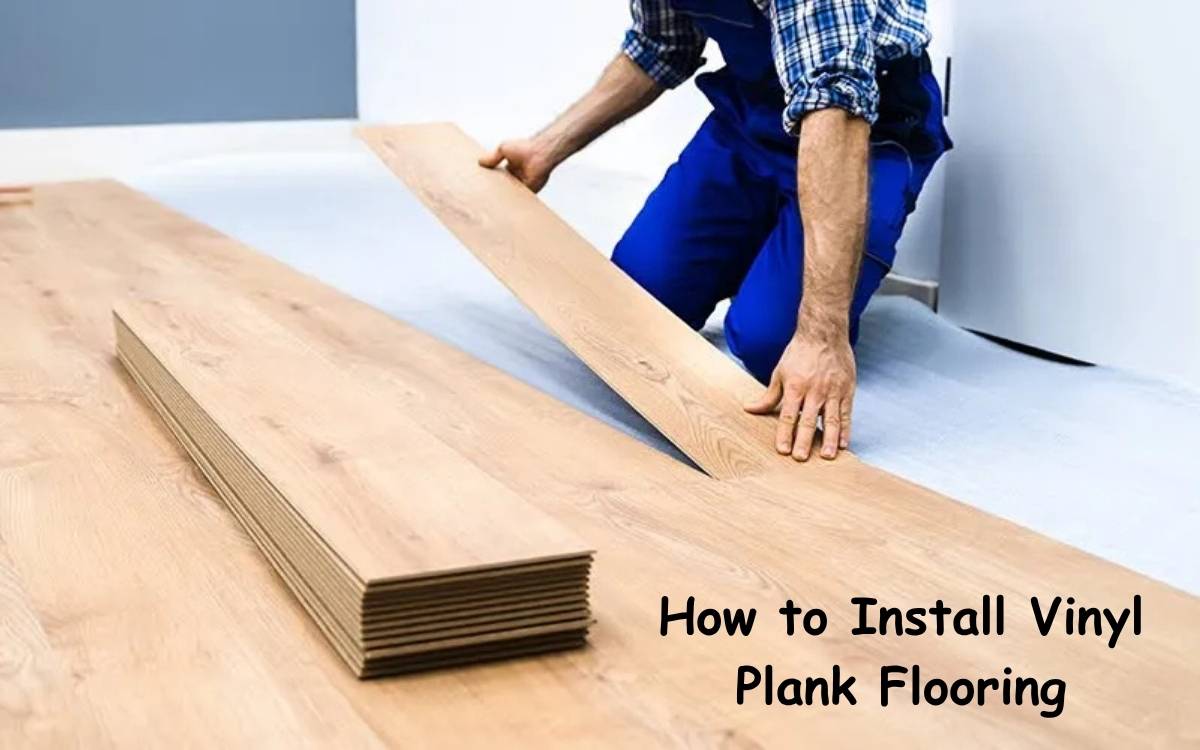
Step 1: Establishing the Expansion Gap
Place 1/4-inch spacers along every wall and vertical obstruction (like kitchen islands). This gap allows the floor to breathe during Southern California’s seasonal temperature swings.
Step 2: The First Row
Start in the left-hand corner with the tongue side facing the wall. Use a tapping block and a rubber mallet to ensure the short ends are fully engaged. Never hit the planks directly with a metal hammer, as this will shatter the delicate locking mechanism.
Step 3: Cutting and Fitting
For straight cuts, a utility knife and a square are often sufficient for “score and snap” methods. However, for complex cuts around door jambs, which should always be undercut so the flooring can slide beneath them, a multi-tool or jamb saw is required for a professional look.
Step 4: The Final Row
This is typically the most difficult phase. Use a pull bar to snug the final row of planks into place against the spacers.
Contractor Insight: “In our recent Riverside projects, we’ve noticed that homeowners often forget to undercut the door casings. Sliding the plank under the casing rather than cutting the plank around it is the hallmark of a high-end, custom-finished home.”
Realistic Expectations: Timeline and Investment
For a standard 300-square-foot kitchen in Southern California, a professional team can typically complete the preparation and installation within 2 to 3 days. While DIY costs are lower upfront, the risk of “peaking” (where planks push against each other) or “gapping” often leads to costly repairs.
Investing in professional installation typically ranges from $2 to $4 per square foot for labor, excluding materials and subfloor repair. This investment ensures that your manufacturer’s warranty remains valid—something most brands will void if the subfloor was not leveled to their specific tolerances.
Why Experience Matters: The Payless Standard
Since 1985, Payless Kitchen Cabinets has been a cornerstone of the Southern California remodeling community. With over 40 years of business and 1,100+ verified 5-star reviews, we have refined a process that prioritizes transparency and precision. We don’t just “lay floors”; we engineer surfaces that stand the test of time in the most demanding rooms of your home.
Whether you are looking for a complete kitchen transformation or a specialized flooring upgrade, our focus remains on providing premium craftsmanship that reflects your home’s value.
Frequently Asked Questions (FAQ)
1. Can I install vinyl plank flooring over existing tile?
A. Yes, provided the tile is well-bonded and level. However, grout lines deeper than 1/8 inch should be filled with a leveling compound to prevent “telegraphing,” where the pattern of the tile eventually shows through the vinyl.
2. Do I need a tapping block?
A. Absolutely. Using a tapping block distributes the force of the mallet evenly across the plank’s edge. Hitting the plank directly will almost certainly damage the locking lip, leading to gaps that will eventually trap dirt and moisture.
3. Is vinyl plank flooring truly waterproof?
A. The planks themselves are waterproof, but the seams are not “watertight.” Standing water can still seep between planks and damage the subfloor. For kitchens and baths, we always recommend a high-quality perimeter seal.