
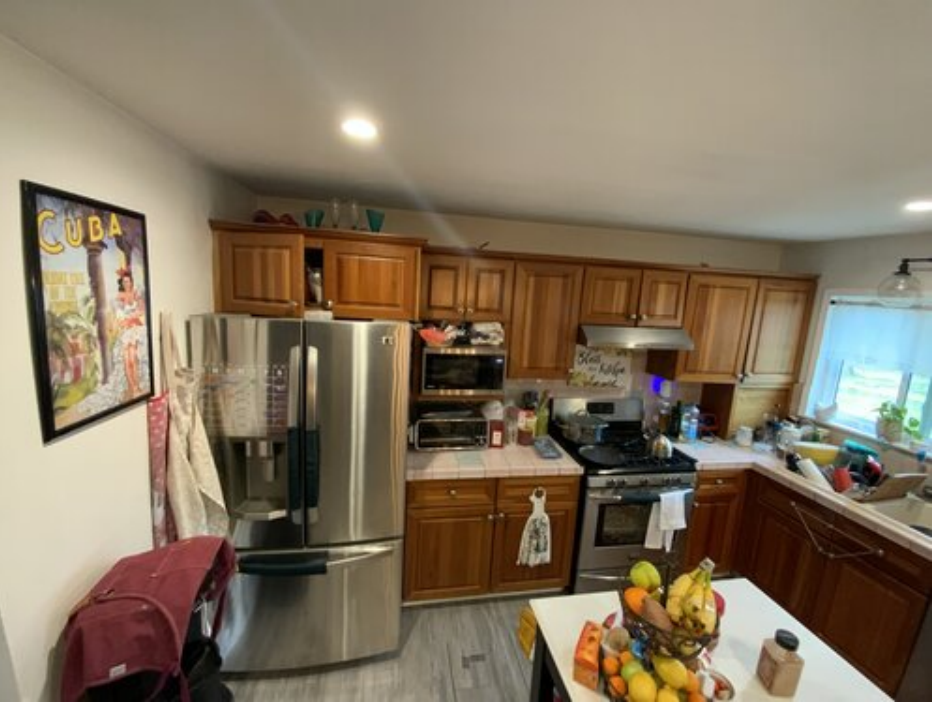
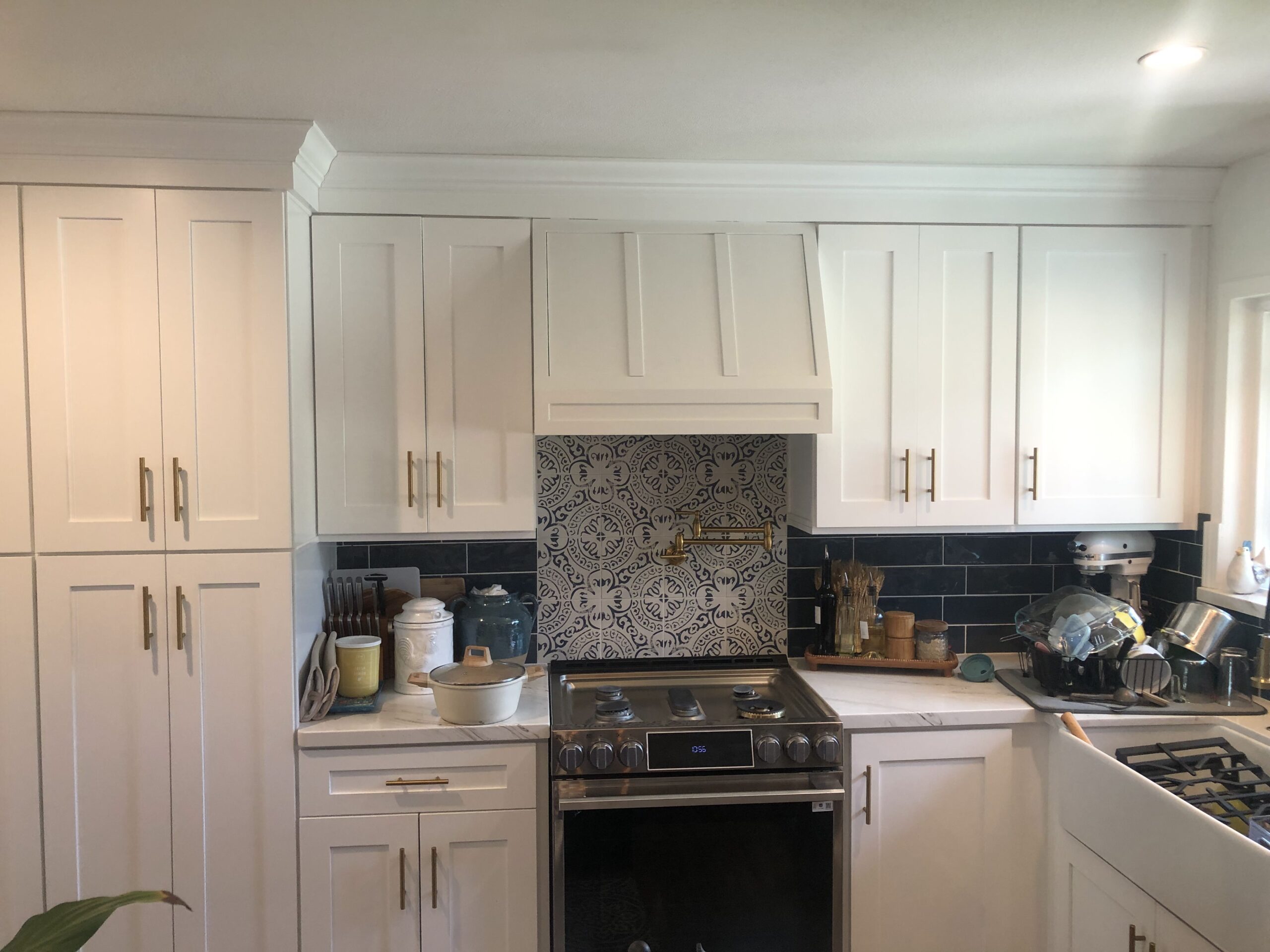
What You Can Expect to Spend on a Kitchen Remodel in Los Angeles
Typical kitchen remodel projects in Los Angeles fall into three broad categories:
- DIY (Do-It-Yourself): $5,000–$12,000
Basic updates you handle yourself, like painting, hardware swaps, and possibly assembling/installing ready-to-assemble cabinets or simple fixtures.
- Cosmetic Refresh (Minor Updates): $12,000–$20,000
Custom doors and drawers, in‑cabinet accessories, new cabinet boxes, under‑cabinet lighting, professional installation, and project management - Mid-Range Remodel: $35,000–$55,000
Includes semi-custom cabinetry, stone or quartz countertops, modern lighting, and minor layout tweaks. - Luxury Remodel: $70,000–$150,000+
Custom cabinets, high-end stone countertops, premium appliances (Viking, Sub-Zero), plus possible structural layout changes or home integration features.
Prices in LA tend to be on the higher side due to labor rates, permitting fees, and energy code compliance like Title 24, which mandates energy-efficient appliances and fixtures. These factors can add 10–20% to your total remodel budget.
Key Factors That Affect Kitchen Remodel Costs
Layout Changes and Structural Work
If you keep the kitchen layout the same, your costs will be lower because plumbing and electrical systems can generally stay put. Move appliances, sinks, or gas lines, and you add thousands to your budget for rerouting plumbing, electrical rewiring, or even wall reconstruction.
Plumbing and Electrical Upgrades
Older homes often need updated plumbing or electrical systems to meet modern codes and safety standards. This upgrade not only ensures safety but also supports new appliances and fixtures, often costing several thousand dollars.
Cabinetry Choices
Cabinetry often accounts for 30–40% of your total project cost. You can select from:
- Stock cabinets (budget-friendly but limited styles)
- Semi-custom cabinets (good balance of price and design flexibility)
- Custom cabinets (premium pricing with fully personalized design)
Beware of ultra-cheap cabinets; they often use lower quality materials that won’t hold up under daily use.
Countertop Materials
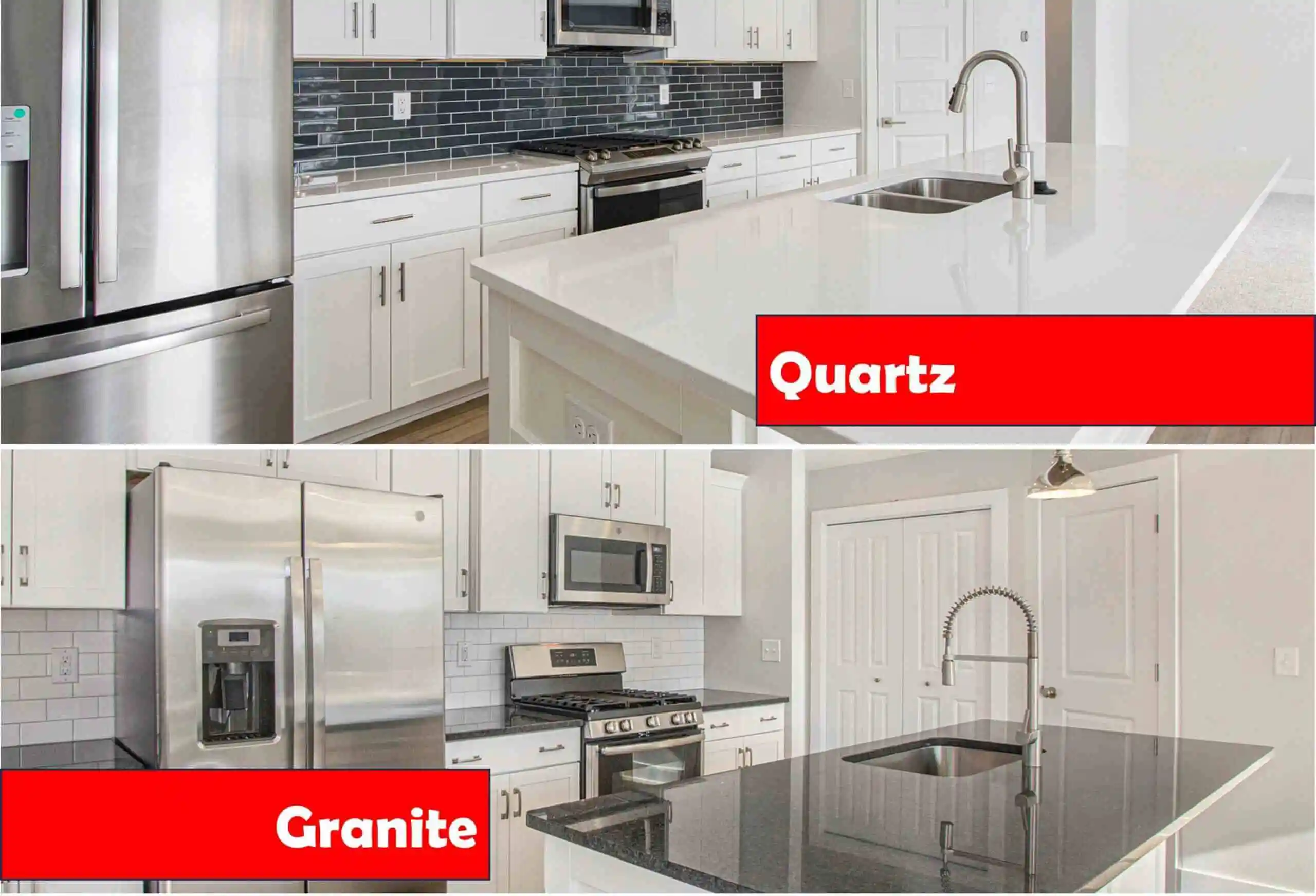
Quartz and granite are the most popular durable surfaces. Quartz typically costs $65–$150 per square foot installed, granite can be similar or higher depending on rarity and fabricator fees. Lower-cost options include laminate or butcher block, but each has tradeoffs in maintainability and lifespan.
Design Complexity
Intricacies like custom tile backsplashes, built-in storage, waterfall countertops, or layered lighting designs increase both material and labor costs. Simple, functional designs are more cost-effective.
Accessibility and Aging-in-Place Features
Wider aisles, pull-out shelves, and lower counters add usability and value but may add to upfront remodeling expenses while improving long-term satisfaction.
Common Problems Families Face When Budgeting
One of the biggest challenges homeowners encounter is underestimating the “soft costs” such as permits, inspections, structural repairs, disposal fees, and temporary kitchen setup expenses. These can add 10–15% more to your budget but are often forgotten in initial quotes.
Unexpected issues like mold, dry rot, or outdated wiring found after demolition can cause significant overruns. Homeowners who don’t build a cushion for contingencies often compromise on materials or workmanship to stay within budget, which may cost more over time due to repairs or replacements.
The Long-Term Impact of Underestimating Costs
Cutting corners or going too cheap can lead to cabinetry warping, countertop damage, or appliance failures, which may require premature replacement. These extra expenses often outweigh the savings from initial low bids.
Furthermore, rushed or inadequate electrical or plumbing work can cause safety hazards and potential code violations, increasing future repair costs and affecting home resale value.
Spotting Overpriced or Low-Quality Offers
To avoid being overcharged or ending up with poor-quality materials and labor, watch for:
- Vague or incomplete quotes missing breakdowns of costs.
- Unrealistically fast project timelines that don’t match the scope.
- Excessive upfront deposits (California law limits these to 10% or $1,000).
- Lack of clear warranty or licensing information.
Make sure your contractor or cabinet supplier explains exactly what is included in their bid and provides transparent terms.
Cost-Saving Tips That Don’t Sacrifice Quality
- Stick to your existing layout as much as possible to avoid expensive plumbing or electrical rework.
- Combine stock or semi-custom cabinets with custom elements only in key areas like kitchen islands.
- Consider refinishing existing cabinets or flooring instead of full replacement.
- Buy materials early or look for clearance items through suppliers like Payless Kitchen Cabinets.
- Work with a specialized kitchen cabinet supplier to leverage their supplier relationships for better prices.