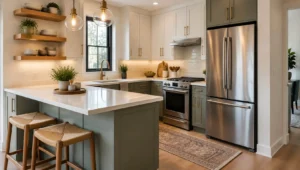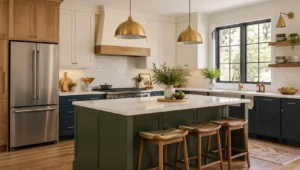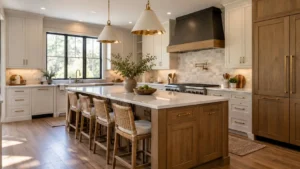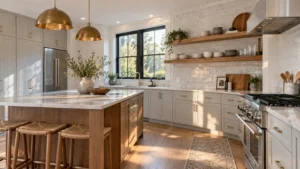

Picking a countertop sounds simple until you sit down and realize the material you choose has to survive knives, hot pans, spills, cleaning products, sunlight, and roughly a decade of daily use before you think about replacing it again. Most homeowners planning a remodel already have a rough shortlist in mind, usually quartz, granite, or something they saw on a design account, but the honest comparisons rarely line up with the showroom pitch. This article ranks the most popular kitchen countertop materials by how they actually perform on durability, maintenance, and style, so you can shortlist a surface that suits how your kitchen really gets used rather than one that only photographs well.
How to Judge a Countertop Material Before You Choose One
Durability is not one property. It splits into scratch resistance, heat tolerance, chip resistance, stain resistance, and etch resistance, and no single material wins every category. Quartz shrugs off stains but scorches under a hot pan. Quartzite handles heat and cutting but can chip on sharp corners. Once you break durability into those parts, most of the confusion about which surface is “best” starts to clear up.
Maintenance is the second filter, and it usually matters more than people expect. Some surfaces stay looking sharp with soap and water for years. Others need periodic sealing, gentler cleaners, or careful attention around acidic foods. Style is the third filter, but it should sit last, not first, because a beautiful countertop you have to baby will feel like a chore long before it wears out.
Quartz Countertops
Quartz is engineered stone, made from ground quartz bound with resin, which is why it comes in more consistent colors and patterns than any natural slab. It is non-porous, never needs sealing, and resists stains from wine, coffee, tomato, and citrus better than almost anything else on the market. For a busy family kitchen, that combination is hard to beat.
The catch is heat. The resin that makes quartz stain-proof also makes it heat-sensitive, and a pan straight off the burner can leave a permanent mark. Direct sunlight can also yellow the resin over time, so quartz is a poor choice for outdoor kitchens or sun-drenched window runs. Treat it well with a trivet and it will look almost new for years.
Quartzite Countertops
Quartzite is often confused with quartz, but it is a completely different material. It is natural stone, formed when sandstone is compressed under heat and pressure, and it is one of the hardest surfaces you can put in a kitchen. Many homeowners choose it because it carries the soft veining of marble with far more toughness underneath.
It handles heat well, resists scratches, and holds up to daily cutting board use without complaint. The main upkeep is periodic sealing, usually once a year, to keep it stain-resistant. Because it is a natural slab, no two pieces are identical, which is part of the appeal for anyone who wants their island to look like a piece of furniture rather than a factory product.
Granite Countertops
Granite has been the default premium natural stone in kitchens for decades, and it has held up because it performs. It is heat-resistant enough to take a hot pot without flinching, hard enough to resist most kitchen scratches, and available in a wider color and pattern range than any other natural stone.
The trade-offs are honest and manageable. Granite is porous, so it needs sealing on a regular schedule to keep oils, wine, and acidic liquids from staining. Edges and corners can chip if something heavy lands wrong, and darker slabs tend to show water spots and fingerprints more than lighter ones. For homeowners who want the character of real stone without babysitting the surface, granite still holds a strong place among natural stone countertops.
Porcelain Slab and Sintered Stone Countertops
Porcelain slabs and sintered stone are newer to residential kitchens but have moved quickly into the premium category. Both are engineered from natural minerals fired at extreme heat, which produces a surface that resists scratches, heat, stains, and UV exposure at a level natural stone rarely matches. They also come in very large formats, which helps reduce visible seams on long runs or waterfall islands.
The two downsides worth knowing are cost and fabrication. These slabs are typically thinner than stone, which requires more careful edge detailing, and fewer local fabricators are experienced with them, so installation quality varies. When they are installed well, they are among the lowest-maintenance surfaces you can buy, indoors or out.
Marble Countertops
Marble is the material homeowners either fall completely for or actively avoid, and both reactions make sense. The veining, depth, and slight translucence of a Carrara or Calacatta slab is genuinely hard to replicate with engineered stone, and bakers appreciate that it stays naturally cool for working with dough.
The maintenance reality is where marble loses people. It etches when acidic liquids touch it, which means dull spots from lemon, vinegar, wine, or tomato even when the surface is sealed. It also scratches and stains more easily than granite or quartzite. Many homeowners who love the look choose a honed finish to soften the appearance of wear, or use marble only on an island or baking zone rather than the primary work runs.
Soapstone Countertops
Soapstone has a quiet appeal that photographs and remodels have brought back into fashion. It is a soft, dense natural stone with a subtle matte finish, and it develops a natural patina over time that many homeowners actively want. It is also one of the few natural stones that is non-porous, so it resists staining without sealing.
Its softness cuts both ways. It handles heat beautifully and shrugs off chemical stains, but it scratches and nicks more easily than harder stones. The good news is that minor damage sands out with fine sandpaper and a bit of mineral oil. If you like the idea of a surface that ages with your kitchen rather than fighting to stay factory-new, soapstone is worth a closer look.
Solid Surface Countertops
Solid surface, sold under names like Corian and Wilsonart, is an acrylic and resin-based material that lands between laminate and stone in both price and performance. It is non-porous, easy to clean, and can be molded into seamless integrated sinks and backsplashes, which is a real advantage for a clean, uninterrupted look.
It scratches and dents more easily than stone, and prolonged heat will damage it, so trivets are non-negotiable. On the positive side, most scratches and even minor burns can be buffed out by a professional, which is something few other surfaces allow. For a mid-range kitchen where a hygienic, low-fuss surface matters more than showpiece looks, solid surface is a sensible pick.
Butcher Block Countertops
Butcher block brings warmth into a kitchen the way no stone or engineered material can. It works well as an accent, particularly on an island or a coffee zone, and it is one of the more forgiving surfaces on dropped glassware. A good hardwood top, properly finished, can last decades.
The upkeep is real. Wood needs regular oiling to stay sealed against moisture, water pooling near the sink will eventually cause staining or warping, and it dents under heavy impact. Sharp knives cut into it, which is either a feature or a flaw depending on your view. Most kitchens use butcher block on one zone rather than every counter, which is usually the smart move.
Concrete Countertops
Concrete is highly customizable and lets you shape edges, integrate drainboards, or embed inlays that no other material supports. Done well, it produces a surface with real character and a weight that anchors a kitchen.
The trade-offs are demanding. Concrete is porous and requires sealing to resist stains, and even sealed concrete can develop hairline cracks as the slab cures and moves. It is heavy enough to require reinforced cabinetry underneath, and quality varies enormously by fabricator. Concrete rewards homeowners who want something unique and are comfortable with a surface that will show its age, not one that stays perfect.
Laminate Countertops
Laminate has come a long way from the beige speckled tops of the 1990s. Modern printing technology produces convincing stone and wood patterns, and decorative edge profiles have closed part of the gap with mid-range materials. It is by far the most affordable option and one of the easiest to clean.
The limits are still real. Sharp knives will cut into the surface, hot pans will scorch it, and once it is chipped or delaminated it cannot be repaired, only replaced. For a rental, a starter home, a laundry room, or a temporary kitchen refresh, laminate is a reasonable choice. For a full remodel intended to last 15 to 20 years, most homeowners are better served stepping up to a more durable material.
Which Countertop Material Fits Which Kitchen
Ranking materials in isolation only gets you part of the way. The better question is which surface suits how your kitchen actually gets used. These short verdicts pull the field into a few practical categories.
Best for Heavy Cooks and Busy Family Kitchens
Quartzite and granite are the strongest picks here. Both handle heat, cutting, dropped utensils, and the general chaos of a household kitchen without losing their looks, and both are repairable if something goes seriously wrong. Quartz is also excellent as long as everyone in the house is disciplined about trivets.
Lowest Maintenance for Everyday Living
Quartz and porcelain slab lead this category comfortably. Neither requires sealing, both wipe clean with mild soap and water, and both resist the everyday stains that build up on natural stone over time. If you want to think about your counter as little as possible, start here.
Best Value Without Cutting Corners
Mid-range quartz and standard granite deliver the strongest balance of durability, appearance, and long-term performance for the price. Solid surface is worth considering if seamless integrated sinks matter to you, and laminate can make sense for a light-use kitchen where the budget is fixed.
Best Statement Piece for a Design-Focused Kitchen
Quartzite, marble, and dramatic granite slabs still win when the countertop is meant to be the centerpiece of the room. Book-matched veining across a waterfall island is something engineered surfaces are only beginning to match. If the kitchen is being built around the island, this is where to spend.
How Your Countertop Choice Fits the Rest of the Remodel
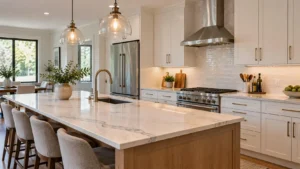
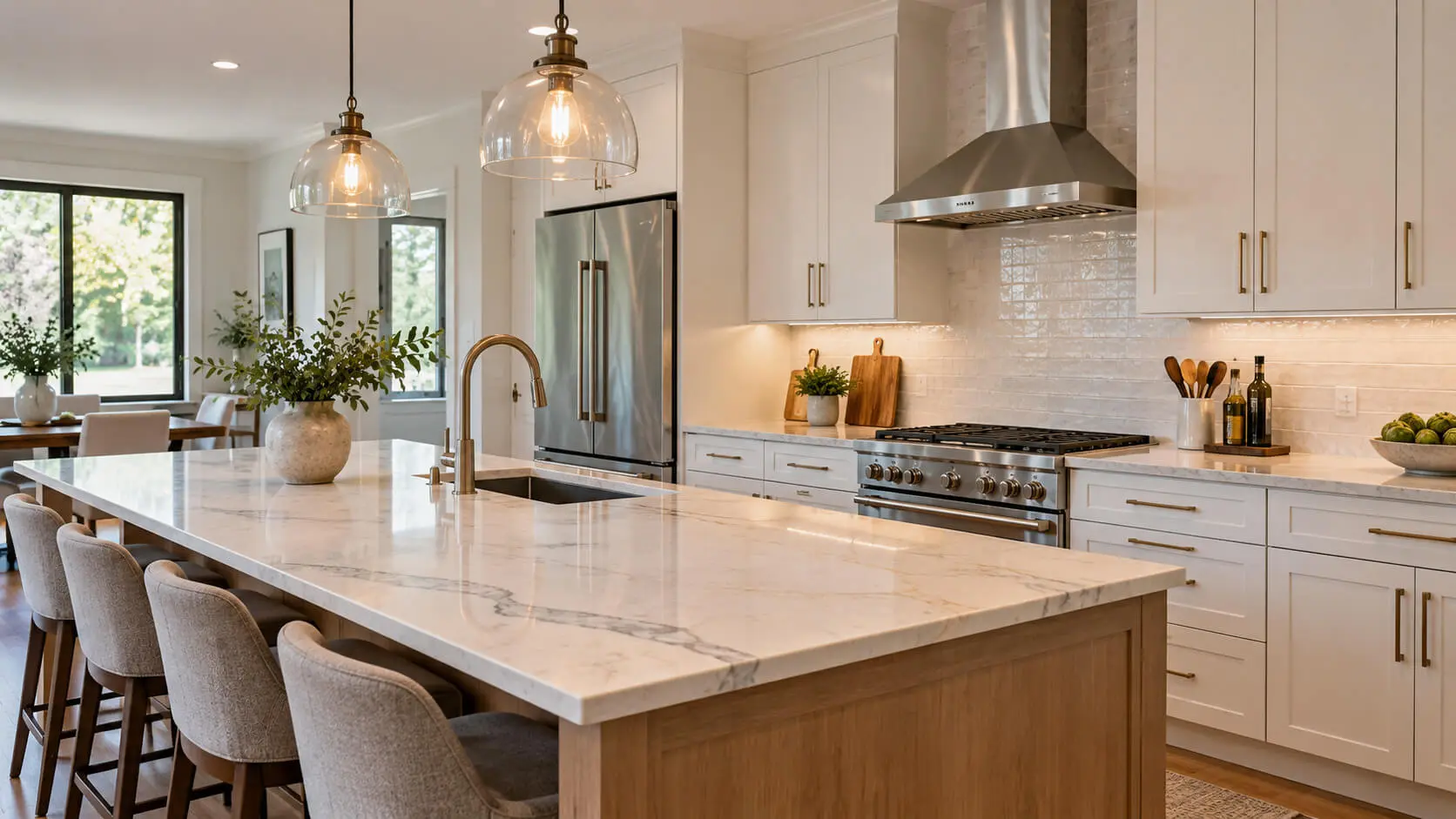
A countertop does not sit in isolation. It has to match the cabinetry, work with the backsplash, hold up under the pendant lighting you chose for the island, and support the way you cook. Heavy slabs like quartzite, granite, and concrete need cabinet boxes strong enough to carry the load, which sometimes means upgrading base cabinets during a remodel rather than after.
Layout matters just as much. A tight galley kitchen with a compact work triangle will show every seam, so materials that come in large slabs read cleaner. An open plan kitchen with a large island gives you room to mix materials or feature a book-matched slab as a focal point. If the remodel includes new plumbing runs, gas lines, or electrical for under-cabinet lighting, coordinating those with your countertop fabricator up front avoids costly rework once the slab is templated.
Mixing Two Countertop Materials in the Same Kitchen
Using two materials in one kitchen has moved from a design experiment to a common practice, and it usually works because it solves a real problem. A durable, low-maintenance surface like quartz on the main perimeter runs takes the daily abuse, while a statement material like quartzite or marble on the island gives the room its personality. Butcher block on a baking zone or a coffee bar adds warmth without exposing wood to the sink.
The visual rule of thumb is to let one material lead and the other support. Contrasting too aggressively between two dominant materials can make a kitchen feel busy, especially in smaller footprints. When in doubt, keep the main runs quiet and let the island carry the drama.
Common Mistakes Homeowners Make When Choosing a Countertop
The most frequent mistake is choosing a material based on a showroom sample without seeing a full slab. Small swatches hide the veining, movement, and color variation that will actually cover your island. Always view the full slab before signing off, especially with natural stone.
Two other patterns come up often. First, underestimating maintenance and then living with a stained or etched surface for years. Second, focusing only on the material price and forgetting that fabrication, edge profile, cutouts, and installation can add significantly to the final number. Getting an itemized quote that separates slab cost from fabrication and installation is the easiest way to compare options honestly.
Frequently Asked Questions
What is the difference between quartz and quartzite
Quartz is an engineered surface made from ground quartz and resin, so it is consistent in pattern, non-porous, and never needs sealing. Quartzite is a natural stone quarried in slabs, so every piece is unique and it typically needs periodic sealing to stay stain-resistant.
Do granite and quartzite countertops really need to be sealed
Yes, both are porous natural stones and benefit from periodic sealing to resist staining from oil, wine, and acidic liquids. The frequency depends on the specific slab, the sealer used, and how heavily the kitchen is used, but once a year is a common baseline. A simple water test, where water beads on the surface rather than soaking in, tells you when the sealer is still working.
Which countertop material adds the most resale value
Buyers tend to respond well to quartz and granite because both signal a well-built, low-fuss kitchen. Quartzite and porcelain also perform strongly in higher-end homes where buyers expect premium finishes. What matters more than the exact material is that the countertop looks well chosen for the space and cabinetry, not upgraded in isolation.
What is the most low-maintenance countertop for a busy kitchen
Quartz and porcelain slab are the easiest surfaces to live with day to day. Neither needs sealing, both clean up with mild soap and water, and both resist the common stains that build up in a household kitchen. Just remember quartz needs protection from direct heat.
Can you put a hot pan directly on any countertop
Granite, quartzite, soapstone, porcelain, sintered stone, and concrete generally handle brief contact with a hot pan without damage. Quartz, solid surface, laminate, and butcher block do not, and repeated heat exposure will cause permanent marks. Using trivets on every surface is the safer habit, since even heat-tolerant materials can crack under sudden temperature changes.
Choosing a Countertop You Will Still Love in Ten Years
The right countertop is the one that matches your cooking habits, your tolerance for upkeep, and the way the rest of the kitchen is put together, not the one topping this year’s design lists. If you cook heavily, lean toward quartzite, granite, or porcelain. If low maintenance is the priority, quartz and porcelain slab are hard to beat. If the countertop is meant to be the centerpiece of the room, a natural stone slab with real movement is worth the extra care it will ask of you.
The decision gets easier when you look at the full picture instead of the material in isolation. Cabinet construction, layout, lighting, and how you actually use the space all shape which surface will hold up and which will disappoint you. A short conversation with an experienced kitchen remodeling professional, ideally with samples of your top two or three materials in hand, is usually the fastest way to move from a shortlist to a confident final choice.