
Creating an L-shaped outdoor kitchen is one of the best ways to turn an ordinary backyard into a comfortable space for cooking, dining, and entertaining. This layout combines efficiency with style by providing separate areas for food preparation, grilling, and serving without requiring a large footprint. Whether you’re planning a new patio or upgrading an existing outdoor living area, an L-shaped design offers flexibility that suits a wide range of homes.
A thoughtfully planned outdoor kitchen also adds long-term value to your property. Besides expanding your living space, it creates an inviting place where family and friends can gather throughout the year. This guide explains how to design the ideal layout, select durable materials, choose practical appliances, and create a backyard kitchen that complements your lifestyle.
Why Choose an L Shaped Outdoor Kitchen?
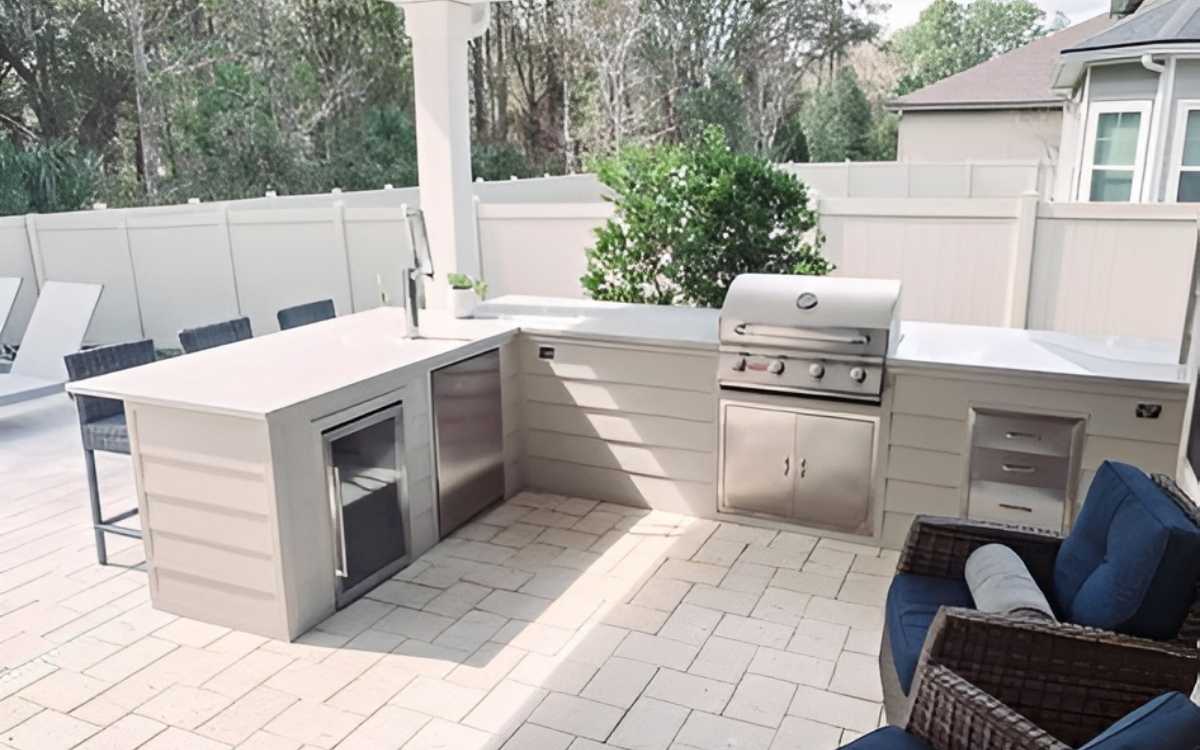
An L shaped outdoor kitchen offers a practical balance between function and appearance. The two connected countertop sections create a natural workflow that allows you to prepare ingredients, cook meals, and serve food without constantly moving around the space. Everything remains within easy reach, making outdoor cooking more enjoyable and efficient.
This layout is equally suitable for compact patios and spacious backyards. It makes good use of corner areas while leaving enough room for guests to move comfortably around the cooking zone. Since the design naturally separates different activities, it also helps keep the kitchen organized during family gatherings and outdoor parties.
Some of the biggest advantages include:
- Better organization between cooking and preparation areas
- More countertop space for food preparation
- Efficient use of corner spaces
- Easy integration with outdoor dining and seating areas
- Flexibility for future upgrades and additional appliances
Planning the Right Outdoor Kitchen Layout
Every successful project starts with careful planning. Before selecting countertops or appliances, think about how you intend to use the space. A well-designed outdoor kitchen layout should support your cooking habits while fitting comfortably within your available patio area.
Location also plays an important role. Positioning the kitchen close to your home’s interior makes carrying food, dishes, and supplies much easier. At the same time, leave enough clearance around the cooking area so family members and guests can move around safely without interrupting meal preparation.
Take accurate measurements before beginning construction. Existing landscaping, walkways, doors, utility connections, and nearby seating areas can all influence the final layout. Considering these details early helps avoid costly adjustments later in the project.
Making the Most of a Corner Outdoor Kitchen
A corner outdoor kitchen makes excellent use of space that often goes unused. Instead of treating the corner as a limitation, this design transforms it into the center of the cooking area. One side typically accommodates the grill while the adjoining countertop provides plenty of room for meal preparation and serving.
This arrangement also creates a natural separation between cooking and entertaining. Guests can gather nearby without standing directly in the work area, allowing conversations to continue while meals are being prepared. The result is a kitchen that feels both functional and welcoming.
Selecting Materials Built for Outdoor Conditions
Outdoor kitchens must withstand changing weather, direct sunlight, moisture, and daily use. Choosing quality materials from the beginning helps reduce maintenance while keeping the kitchen looking attractive for many years.
Granite remains a popular countertop choice because it handles heat well and offers a timeless appearance. Porcelain has also become increasingly popular thanks to its resistance to scratches, stains, and UV exposure. Concrete provides a modern look with excellent durability, while quartzite combines natural beauty with impressive weather resistance.
Cabinets should be built from materials designed specifically for outdoor environments. Stainless steel, marine-grade polymer, powder-coated aluminum, and weather-resistant composite materials all perform well because they resist rust, moisture, insects, and temperature changes far better than traditional indoor cabinetry.
Choosing Appliances That Match Your Lifestyle
The grill naturally becomes the centerpiece of most outdoor kitchens, but today’s designs often include several additional appliances that improve convenience and functionality. The right combination depends on how often you cook outside and the types of meals you typically prepare.
Rather than filling every cabinet with equipment, focus on appliances that support your cooking style. Homeowners who frequently entertain may benefit from refrigeration and additional preparation areas, while casual grill users may only require a premium built-in grill with generous countertop space nearby.
Popular additions include:
- Outdoor refrigerator
- Side burner
- Sink and faucet
- Pizza oven
- Beverage cooler
- Warming drawer
- Smoker
- Trash and recycling storage
Why Consider a Modular Outdoor Kitchen?
A modular outdoor kitchen provides an excellent alternative to fully custom construction. These systems consist of pre-manufactured cabinet sections that can be arranged into different configurations, making installation faster and often more affordable.
Another advantage is flexibility. If your needs change over time, additional cabinets or appliances can usually be added without rebuilding the entire kitchen. This makes modular systems an attractive option for homeowners who prefer to expand their outdoor space gradually.
Are Outdoor Kitchen Kits a Good Choice?
Many homeowners choose outdoor kitchen kits because they simplify the building process. Most kits include matching cabinets, countertops, and designated openings for appliances, allowing the entire project to come together more quickly than a completely custom installation.
Kitchen kits also provide a coordinated appearance since every component is designed to fit together. While they may offer fewer customization options than custom-built kitchens, they deliver an attractive and practical solution for many outdoor spaces.
Patio Kitchen Design Ideas That Improve Comfort
An attractive patio kitchen design includes much more than cooking equipment. Comfortable seating, appropriate shade, and thoughtful lighting all contribute to a space that people enjoy using throughout the day and into the evening. A well-equipped patio cooking setup can even double as a convenient temporary kitchen during a remodel when indoor facilities are undergoing major work.
Adding bar seating beside the countertops creates a relaxed place where guests can socialize while meals are prepared. Outdoor dining tables, built-in benches, and nearby lounge furniture help extend the entertaining space beyond the kitchen itself, making the patio feel like an extension of the home.
Shade is another important consideration, particularly during warmer months. Pergolas, covered patios, retractable awnings, and shade sails help create a more comfortable cooking environment while protecting appliances and countertops from prolonged sun exposure. Well-placed lighting around work surfaces and seating areas also improves both safety and atmosphere after sunset.
Creating Practical Storage Solutions
Storage is often overlooked during the planning stage, yet it plays a major role in keeping an outdoor kitchen organized. Having cooking tools, serving dishes, and cleaning supplies nearby eliminates repeated trips back inside the house.
Choose storage that matches your cooking routine and keeps frequently used items within easy reach. Deep drawers work well for cookware, while weatherproof cabinets protect supplies from the elements. Dedicated spaces for trash, recycling, and propane tanks also help maintain a clean and uncluttered appearance.
Planning Utility Connections
Before construction begins, determine what utilities your outdoor kitchen will require. Depending on the appliances you select, you may need electrical service, plumbing, natural gas, or propane connections. Planning these systems early prevents unnecessary delays once installation is underway.
Professional installation is often recommended for utility work to meet local building codes and safety requirements. Proper planning also makes it easier to accommodate future upgrades if you decide to expand the kitchen later.
Budgeting for Your Outdoor Kitchen Project
The cost of an L shaped outdoor kitchen depends on several factors, including its size, the materials you select, and the number of appliances you install. Premium finishes and custom cabinetry naturally increase the overall investment, while simpler layouts and modular systems often provide more budget-friendly alternatives.
Instead of focusing only on the initial cost, consider the long-term value of durable materials and quality construction. Spending more on weather-resistant products today can reduce maintenance expenses and extend the life of your outdoor kitchen for many years.
Common Mistakes to Avoid
Careful planning helps prevent problems that may reduce the functionality of your outdoor kitchen. Small design decisions can have a significant impact on how comfortable the space feels during everyday use.
Some common mistakes include:
- Not leaving enough countertop space for food preparation
- Choosing materials that are not designed for outdoor use
- Installing inadequate lighting around cooking areas
- Overlooking storage needs
- Ignoring ventilation around built-in grills
- Creating narrow walkways that restrict movement
Avoiding these issues during the design phase helps create a kitchen that is both attractive and practical.
Maintaining Your Outdoor Kitchen
Routine maintenance helps preserve both the appearance and performance of your outdoor kitchen. Cleaning countertops after use, covering appliances when they are not in operation, and inspecting gas or plumbing connections periodically all contribute to longer-lasting equipment.
Natural stone countertops may require occasional sealing depending on the material, while stainless steel appliances benefit from regular cleaning to prevent fingerprints and surface discoloration. Consistent maintenance allows your outdoor kitchen to remain an attractive feature of your backyard for many seasons.
Conclusion
An L-shaped outdoor kitchen offers an ideal combination of functionality, comfort, and style for homeowners who enjoy outdoor living. Its efficient layout creates dedicated spaces for cooking, food preparation, and entertaining while making excellent use of available patio space. Whether you choose a fully custom design, a modular outdoor kitchen, or one of the many available outdoor kitchen kits, thoughtful planning will help you build a space that meets your needs both now and in the future.
By selecting durable materials, designing an efficient outdoor kitchen layout, and incorporating features that improve comfort and organization, you can create a backyard kitchen that serves as the centerpiece of countless family meals and gatherings for years to come.
Frequently Asked Questions
1. Why is an L shaped outdoor kitchen a popular layout?
A. It creates separate zones for cooking and food preparation while maximizing countertop space. The layout also fits comfortably into many patio sizes and encourages conversation during outdoor gatherings.
2. What materials are best for outdoor kitchen countertops?
A. Granite, porcelain, concrete, and quartzite are all excellent choices because they resist heat, moisture, and changing weather conditions while requiring relatively little maintenance.
3. Is a modular outdoor kitchen worth considering?
A. Yes. A modular outdoor kitchen offers quicker installation, lower labor costs, and the flexibility to add new cabinets or appliances as your needs change.
4. Do outdoor kitchen kits include appliances?
A. Some outdoor kitchen kits include appliances, while others provide only the cabinets and countertop structure. Always review the manufacturer’s specifications before purchasing.
5. How can I make my outdoor kitchen last longer?
A. Regular cleaning, covering appliances when not in use, inspecting utility connections, and maintaining weather-resistant surfaces will help extend the life of your outdoor kitchen and keep it looking its best.