
Waterfall Islands have become one of the most recognizable features in modern kitchen design. Known for their clean lines and seamless appearance, they create a polished look by extending the countertop material down the sides of the island. But as kitchen trends continue to shift toward warmer, more personalized spaces, many homeowners are wondering whether this once-trendy feature is still worth choosing.
The answer depends on more than whether Waterfall Islands are fashionable. Factors such as kitchen layout, countertop material, budget, maintenance, and personal style all play a role. For some homeowners, a waterfall edge island can provide the perfect finishing touch, while others may get better value from a traditional kitchen island.
What Is a Waterfall Island?
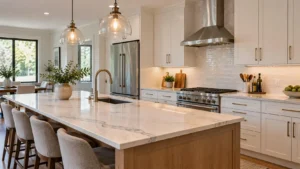
A Waterfall Island is a kitchen island where the countertop material continues vertically over one or both sides of the island, creating the appearance of a continuous surface flowing toward the floor. Unlike a standard island, where the countertop typically ends at the edge of the cabinets, a waterfall design wraps the material around the exposed side.
This creates a seamless and architectural appearance that can make the island feel more substantial and intentional. The effect is especially striking when the countertop has dramatic veining or a distinctive pattern because the material becomes a major visual feature of the kitchen.
Why Did Waterfall Islands Become So Popular?
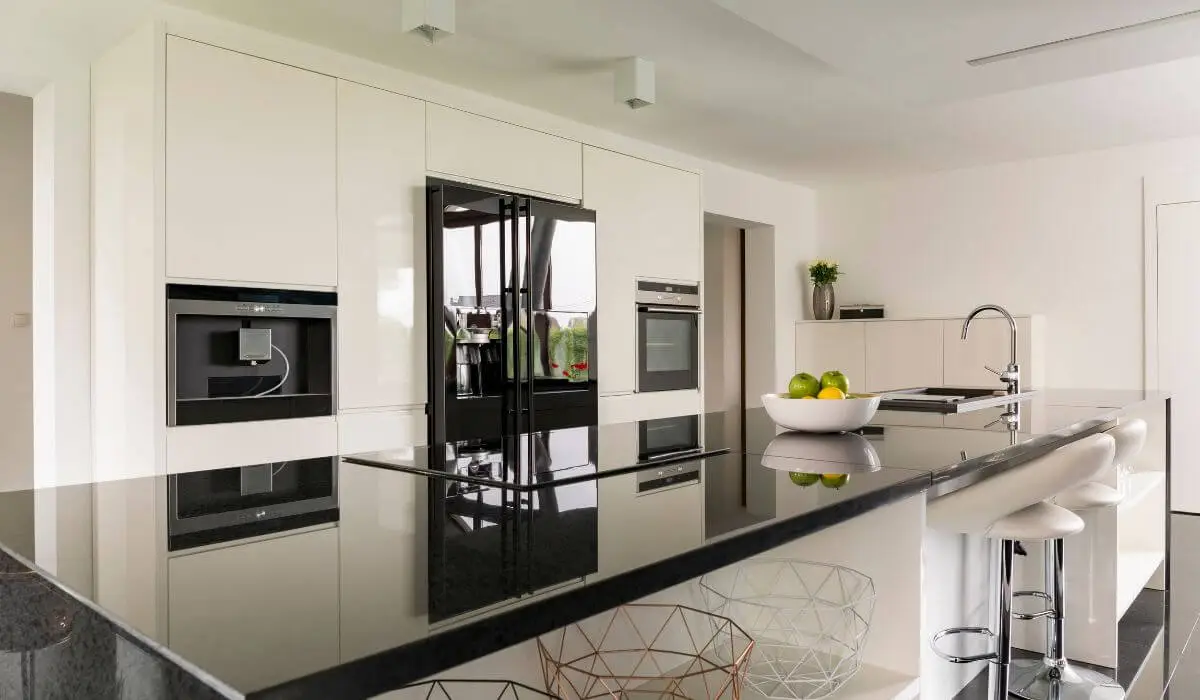
Waterfall Islands became popular alongside the rise of contemporary and minimalist kitchens. Their clean geometry works particularly well with flat-panel cabinets, simple hardware, neutral color palettes, and open-concept floor plans. They also give a kitchen island a more furniture-like, custom appearance.
Interior design photography and social media helped make the style even more recognizable. Homeowners could see high-end kitchens featuring dramatic stone surfaces and seamless island edges, making the design feel both aspirational and achievable.
The popularity also came from its ability to create a strong focal point without relying on excessive decoration. A waterfall countertop can provide visual interest while keeping the rest of the kitchen relatively simple.
What Are the Benefits of Waterfall Islands?
A well-designed waterfall island can provide several advantages beyond appearance. However, the benefits depend heavily on the island’s location, materials, and overall kitchen design.
Creates a High-End Look
One of the biggest advantages is the visual impact. Extending the countertop material down the island sides gives the space a custom, finished appearance that can make an otherwise simple kitchen feel more sophisticated.
It can also turn the island into the centerpiece of the room. This is particularly effective in open kitchens where the island is visible from nearby living and dining areas.
Provides a Seamless Design
A waterfall edge island creates continuity between the horizontal countertop and vertical cabinet sides. When the same stone or surface flows across these areas, the island can appear more cohesive and sculptural.
This effect is especially impressive with materials featuring bold veining. When the pattern is carefully aligned, the countertop and sides can look like one continuous piece.
Protects the Island Sides
The vertical countertop surface can also help protect exposed cabinet ends from everyday bumps, scuffs, and general wear. This can be useful when the sides of the island face a busy walkway.
However, the protective benefit should be considered secondary to the design. A waterfall edge does not automatically make an island more durable, and the material itself still needs to be appropriate for everyday kitchen use.
Works With Different Kitchen Styles
Although often associated with modern kitchens, Waterfall Islands are not limited to one design aesthetic. With the right material and cabinetry, they can work in contemporary, transitional, and minimalist spaces.
Consider these combinations:
- Modern: Pair a waterfall countertop with flat-panel cabinets and understated hardware.
- Transitional: Use softer stone patterns and traditional-inspired cabinetry for a balanced appearance.
- Minimalist: Choose a simple surface with minimal visual contrast.
- Statement kitchen: Use dramatic veining to make the island the room’s focal point.
Are Waterfall Islands Still in Style?
Yes, Waterfall Islands remain a popular option in contemporary kitchen design. However, they are increasingly being treated as an established design choice rather than a feature that must be included simply because it is trendy.
Today’s kitchen color trends are moving toward warmer neutrals, natural textures, wood tones, and more personalized finishes. That does not make waterfall edges outdated; instead, it means homeowners are using them more selectively. A waterfall kitchen island can feel timeless when its material, proportions, and color complement the rest of the room.
The key is to avoid designing the entire kitchen around a short-lived trend. Choosing a durable countertop, restrained pattern, and appropriate island proportions can help the feature remain appealing for years.
When Does a Waterfall Island Make Sense?
A waterfall design can be especially effective when the island is highly visible and has enough surrounding space to make the feature stand out. It can also work beautifully in open-concept kitchens where the island serves as a visual transition between the kitchen and adjacent living areas.
A Waterfall Island may be a good choice when:
- The island is a major focal point of the kitchen.
- The kitchen has an open or spacious floor plan.
- The island has exposed sides that are clearly visible.
- You are using a countertop with attractive veining or texture.
- You want a contemporary or polished appearance.
- Your budget allows for additional countertop material and fabrication.
Before committing, consider how the island will look from different viewpoints. A feature that looks impressive from directly inside the kitchen may have a very different visual impact when viewed from a dining or living area.
When Should You Skip a Waterfall Island?
Despite its visual appeal, a waterfall edge is not necessary for every kitchen. In smaller spaces, a simpler island may provide better value and allow the design to focus on functionality rather than decoration.
You may want to skip the feature if:
- Your kitchen has a tight layout or limited walking space.
- The sides of the island are mostly hidden.
- You are working with a smaller remodeling budget.
- The countertop material is particularly expensive.
- Your kitchen has a strongly traditional aesthetic.
- You would rather spend the budget on storage, appliances, or other upgrades.
The goal should always be to create a kitchen that works well for your lifestyle. A beautiful island cannot compensate for poor storage, uncomfortable clearances, or an inefficient layout.
How Much Does a Waterfall Island Cost?
The cost of a waterfall island varies considerably depending on the countertop material, island dimensions, number of finished sides, fabrication requirements, and installation. Because the countertop continues vertically, you generally need more material than you would for a standard island.
The biggest cost factors include:
- Countertop material: Quartz, natural stone, porcelain, and other surfaces have different price points.
- Island size: Larger islands require more material and fabrication.
- Number of edges: Two waterfall sides require more material than one.
- Pattern matching: Veined materials may require additional planning and fabrication.
- Installation: Precise measurements and seams can increase labor requirements.
- Edge and finish details: Custom fabrication can affect the overall price.
For this reason, it is best to compare the complete installed cost rather than looking only at the countertop price per square foot. A standard island and a waterfall design may use the same material but have significantly different fabrication requirements.
How to Choose the Right Waterfall Island Design
The right waterfall design should complement the entire kitchen rather than compete with it. Start by considering the countertop, cabinetry, flooring, backsplash, and overall color palette together.
Choose the Right Countertop Material
Quartz is a popular option because it offers a wide range of colors and patterns while generally requiring relatively low maintenance. Natural stone can provide unique veining and character, while porcelain offers another option for homeowners seeking a distinctive surface.
When comparing materials, consider:
- Durability and everyday use
- Maintenance requirements
- Appearance and available patterns
- Overall project budget
- How easily the material can be fabricated
Consider the Veining and Pattern
Material selection becomes particularly important when the countertop extends down the sides. Strong veining can create a dramatic waterfall effect, but the pattern needs to be planned carefully.
A poorly matched pattern can make the sides look disconnected rather than seamless. If you are selecting a highly patterned stone, ask an experienced kitchen island contractor how the veins will align before finalizing the material.
Match the Island to the Cabinets
The island should feel connected to the surrounding cabinetry and finishes. You do not necessarily need matching colors, but the materials should work together.
For example, a bold waterfall countertop can pair well with simple cabinets and understated hardware. If the island surface, backsplash, flooring, and cabinets all feature strong patterns, the kitchen may begin to feel visually crowded.
Consider the Island’s Size and Proportion
Proportion is just as important as material selection. A waterfall edge can make a small island feel visually heavier, while a larger island may provide enough surface area for the feature to look balanced.
Make sure there is sufficient clearance around the island for comfortable movement, cabinet access, and appliance use. Good kitchen island design should prioritize workflow first and aesthetics second.
Waterfall Island vs. Standard Kitchen Island
Both options can create an attractive and functional kitchen, but they serve different design priorities.
| Feature | Waterfall Island | Standard Kitchen Island |
| Appearance | Seamless and high-end | Classic and versatile |
| Cost | Usually higher | Generally more budget-friendly |
| Material use | Requires additional material | Uses less material |
| Visual impact | Strong focal point | More understated |
| Design flexibility | Best suited to selected styles | Works with almost any style |
| Fabrication | More complex | Typically simpler |
A standard island may be the better choice when budget and functionality are the main priorities. A waterfall design makes more sense when you want the island to serve as a major architectural feature.
Are Waterfall Islands Worth It?
Waterfall Islands can be worth the extra investment when their visual impact aligns with your priorities. They can create a polished focal point, highlight beautiful countertop material, and give a kitchen a more custom appearance.
However, the additional cost is not automatically justified in every project. If your island is hidden, your kitchen is very small, or your budget is limited, the money may be better spent on storage, lighting, cabinetry, or other functional improvements.
Ultimately, the best choice depends on your layout, design style, countertop selection, and budget. A well-planned waterfall edge island can remain attractive long after a specific kitchen trend has faded.
FAQs About Waterfall Islands
1. Are Waterfall Islands still popular?
A. Yes. Waterfall Islands remain a popular choice for modern and contemporary kitchens. Their seamless appearance and strong visual impact continue to make them appealing, although homeowners are increasingly using them selectively rather than treating them as essential.
2. Are Waterfall Islands going out of style?
A. There is little reason to consider them automatically outdated. The most timeless results usually come from choosing appropriate proportions, quality materials, and a design that complements the rest of the kitchen instead of relying entirely on current trends.
3. Are Waterfall Islands worth the extra cost?
A. They can be, particularly when the island is highly visible, and you want a strong design focal point. If budget is a concern, compare the cost of the waterfall treatment with other improvements that may provide greater functional value.
4. What countertop is best for a waterfall island?
A. Quartz, natural stone, and porcelain can all work well. The best choice depends on durability, maintenance, budget, and appearance, with particular attention to how the material’s veining or pattern will continue down the island sides.
5. Can you have a Waterfall Island in a small kitchen?
A. Yes, but careful planning is essential. A waterfall edge can make a compact island feel visually heavier, so consider the island’s proportions, surrounding clearance, and whether the exposed sides are actually visible before choosing the feature.
Final Verdict: Are Waterfall Islands Still a Must-Have?
Waterfall Islands are still a strong option for homeowners who want a modern, seamless, and high-end focal point. But they are not a must-have feature for every kitchen, and choosing one simply because it is popular may not deliver the best result.
If your island is highly visible, your kitchen has enough space, and your budget allows for the additional material and fabrication, a waterfall design can add lasting visual appeal. When paired with timeless materials and thoughtful proportions, it can become an integrated part of the kitchen rather than a passing trend.
The best kitchen design is ultimately one that balances appearance with everyday functionality. If a Waterfall Island supports both, it can be a worthwhile investment; if it compromises your budget or workflow, a well-designed standard island may be the smarter choice.