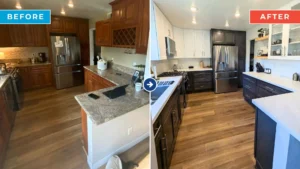

Choosing the right kitchen island size is one of the most important steps in creating a functional kitchen layout. The island affects movement, storage, seating, and overall comfort in daily use. A well-planned size improves workflow, while the wrong size can make even a large kitchen feel cramped or inefficient.
Why Kitchen Island Size Matters in Kitchen Design
Kitchen island size plays a major role in how smoothly your kitchen works. It is not just a design feature, it directly affects how you cook, clean, and move around the space.
Impact on workflow and movement
A properly sized island keeps cooking zones within easy reach. It allows you to move between the sink, stove, and refrigerator without unnecessary steps. If the island is too large, it can block movement. If it is too small, it may not be useful for prep work.
Balancing function and aesthetics
The island should fit the kitchen visually as well as practically. A balanced size helps maintain open space while still offering storage and countertop area.
Improving storage and seating options
A well-planned island adds drawers, cabinets, or seating without overwhelming the kitchen layout. The right kitchen island measurements help you maximize function without clutter.
Standard Kitchen Island Sizes and Dimensions
Understanding standard kitchen island dimensions helps you plan a layout that works with most home designs.
Typical length and width measurements
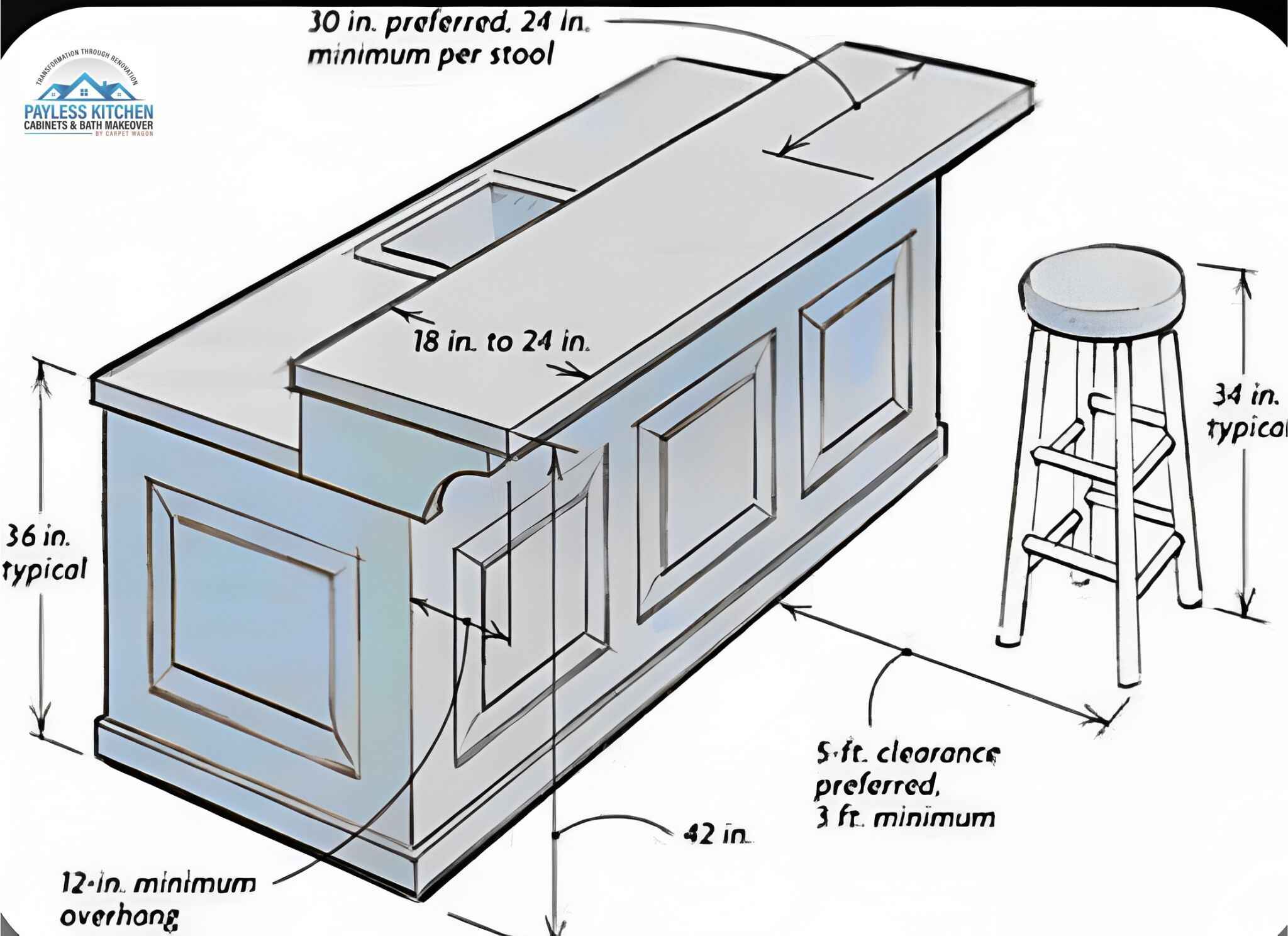
Most standard kitchen islands range between 4 to 7 feet in length and 2 to 4 feet in width. These measurements work well for average kitchen spaces and allow room for basic movement and storage.
Recommended height for kitchen islands
The standard kitchen island height is usually around 36 inches, matching most countertops. Some designs include raised sections at 42 inches for bar seating.
Minimum clearance space around the island
Clearance is essential for comfort and safety. Most kitchens need at least 36 to 42 inches of space around all sides of the island. In busy kitchens, 48 inches is even better.
Kitchen island size guide for different kitchen layouts
- Small kitchens: compact islands or narrow carts
- Medium kitchens: standard rectangular islands
- Large kitchens: oversized or multi-function islands
Small Kitchen Island Size Options for Compact Spaces
Even small kitchens can include an island with the right planning.
Narrow islands for limited floor space
Slim islands around 18–24 inches wide can provide extra prep space without blocking movement. These work well in galley kitchens.
Mobile and portable kitchen island ideas
Rolling islands or carts offer flexibility. You can move them when needed and store them away when not in use.
Space-saving layout strategies for small kitchens
- Use open shelving instead of bulky cabinets
- Choose light-colored finishes to reduce visual weight
- Keep walkways clear for easy movement
Large Kitchen Island Ideas for Spacious Kitchens
Larger kitchens allow for more creative island designs and added functionality.
Multi-level island designs for functionality
A two-tier island can separate cooking prep space from dining or serving areas. This improves organization and usability.
Islands with built-in seating and storage
Large islands often include seating for 3–6 people along with deep storage drawers and cabinets underneath.
Double island layouts for open-concept kitchens
Some luxury kitchens use two islands—one for prep work and another for dining or serving. This setup improves workflow in large households.
Custom Kitchen Island Sizes and Design Flexibility
Custom designs are ideal when standard kitchen island sizes do not fit your layout.
When to choose custom dimensions
Custom islands are useful when you have unusual kitchen shapes or specific storage needs that standard sizes cannot meet.
Matching island size with cabinet layout
The island should align visually with the surrounding cabinets to maintain balance. Proper spacing ensures a clean and unified look.
Integrating appliances into the island
Many homeowners include sinks, dishwashers, or cooktops in the island. This requires careful planning for plumbing and electrical connections.
How to Choose the Right Kitchen Island Size for Your Home
Selecting the right size depends on both function and space.
Evaluating kitchen layout and traffic flow
Your island should not block natural walking paths. The layout should support smooth movement between work zones.
Considering household size and cooking habits
Larger families may need more prep space and seating. Smaller households can often work with compact designs.
Balancing storage needs and open space
Too much storage can make the kitchen feel heavy. A good island balances cabinets with open floor space.
Coordinating with countertops and cabinetry
The island should match or complement existing countertops for a consistent design.
Benefits of Selecting the Correct Kitchen Island Size
Choosing the right kitchen island size improves both form and function. It enhances workflow, increases storage, and creates a comfortable gathering space. It also improves resale value by making the kitchen more attractive and practical for future buyers.
Planning Tips for Kitchen Island Layout and Measurements
Proper planning ensures a successful installation.
Measuring available floor space accurately
Always measure the kitchen carefully before choosing an island. Include cabinet depth and appliance space in your calculations.
Ensuring proper walking clearance
Maintain at least 36 inches of clearance around the island for safe movement. Wider spacing improves comfort in busy kitchens.
Planning electrical and plumbing requirements
If the island includes appliances or outlets, plan electrical and plumbing lines early in the design process.
Visualizing the island before installation
Use layout sketches or design software to see how the island fits into your kitchen before making final decisions.
Limited-Time Offer
Transform Your Kitchen for Less!
-
✓
Family-owned in L.A. since 1985 -
✓
2 Years 0% Interest Financing Available -
✓
On-Time Guarantee: Late? We Pay You $50/Day
📞Call Us Today: (866) 482-0919
Common Mistakes to Avoid When Choosing Kitchen Island Size
Many homeowners make avoidable mistakes when planning their island:
- Choosing an island that is too large for the space
- Ignoring walkway clearance requirements
- Overloading the island with too many features
- Forgetting about plumbing and electrical needs
- Not considering daily kitchen traffic flow
Avoiding these issues helps create a more functional and comfortable kitchen.
FAQs
What is the standard kitchen island size?
The standard kitchen island is typically around 4 to 7 feet long and 2 to 4 feet wide, depending on kitchen size.
How much space do you need around a kitchen island?
Most kitchens require at least 36 to 42 inches of clearance around the island for comfortable movement.
Can a small kitchen have an island?
Yes, small kitchens can use narrow, compact, or mobile islands designed for limited spaces.
What is the ideal kitchen island size for seating?
For seating, allow at least 24 inches of width per person and ensure proper knee space under the countertop.
Should the kitchen island size match countertops?
It does not need to match exactly, but it should complement countertop height and design for a balanced look.
Conclusion
Choosing the right kitchen island size is essential for creating a functional and comfortable kitchen layout. The best design depends on your space, cooking habits, and storage needs. Whether you choose a compact island or a large multi-functional centerpiece, proper planning ensures better flow and usability. For more complex layouts or custom designs, working with experienced kitchen remodeling professionals can help you achieve the best results for your home.