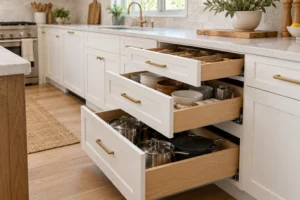

If you are planning a kitchen update, deciding what to do with old kitchen cabinets can affect your project schedule, disposal costs, and how much material goes to waste. Cabinets in good condition may be reused, donated, or sold. Damaged units may need to be dismantled and handled through local disposal or recycling options.
Start by checking the condition of the cabinet boxes, doors, shelves, and hardware. Then choose an option that fits their condition and your timeline. A little planning before demolition can make cabinet replacement more organized.
What to Do With Old Kitchen Cabinets: Start With Condition
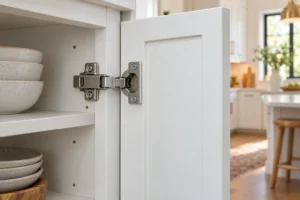
Open every door and drawer. Look for water swelling, loose joints, sagging shelves, delaminated surfaces, pest damage, and doors that no longer sit square. Check around the sink and dishwasher carefully, where leaks and steam may have affected the cabinet material.
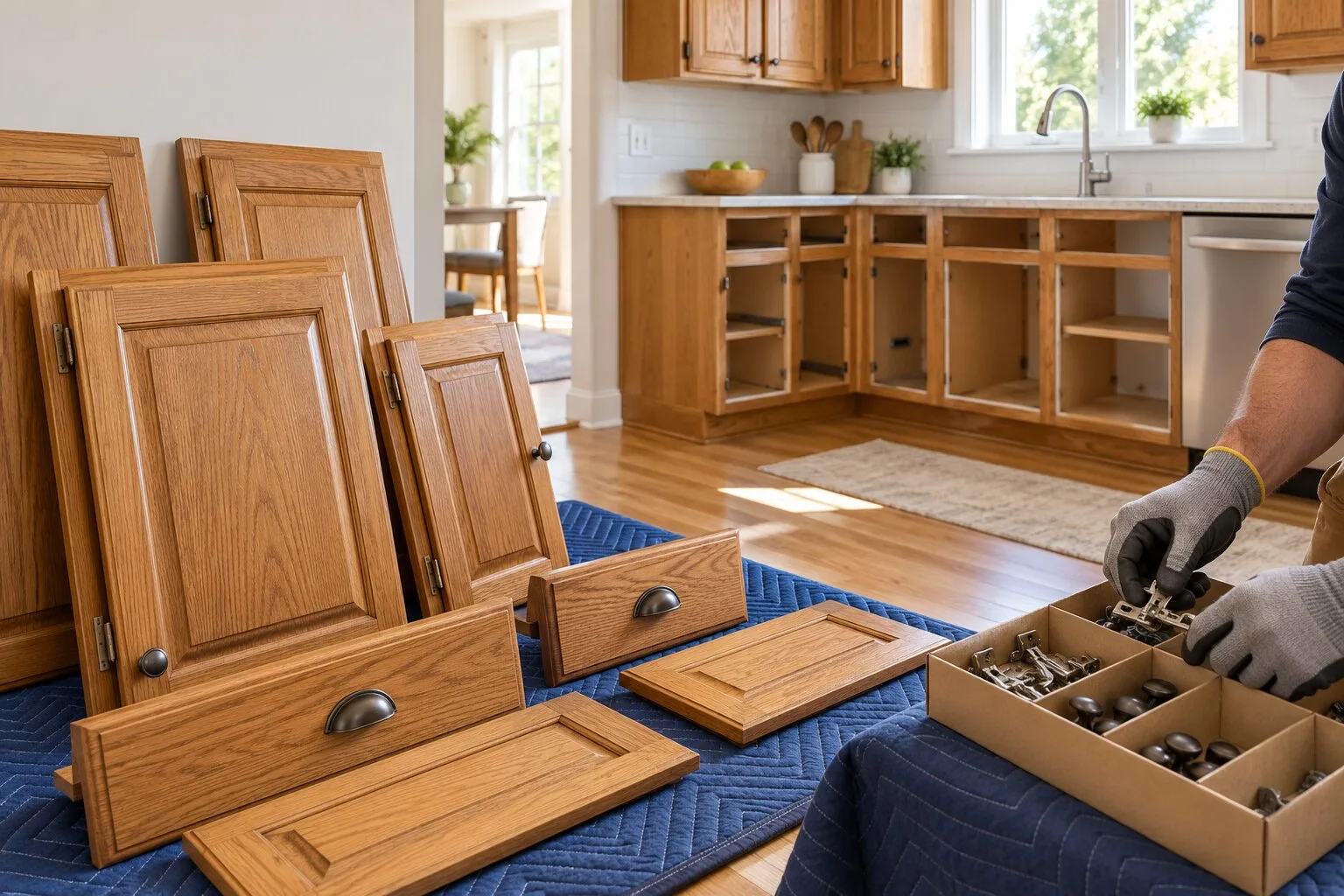
Separate reusable components from damaged ones. A cabinet box may be worn while its doors or hardware remain useful. Take photos, note approximate dimensions, and keep matching doors, drawers, and hinges together if you plan to donate or sell the set.
Reuse Old Kitchen Cabinets in Another Space
One practical option is to repurpose old kitchen cabinets in a garage, laundry area, workshop, or storage room. Base cabinets can support a work surface, while wall cabinets can store tools or household supplies.
Before moving them, check that the new space is dry and that the cabinet dimensions fit. Kitchen cabinets may need new wall anchors, a level base, or adjustments to accommodate pipes and outlets. Secure tall cabinets properly so they cannot tip.
Donate Cabinets That Are Clean and in Working Condition
Donation may be an option if the cabinets are complete, clean, and usable. Keep the doors, drawers, pulls, and hinges together, and photograph the set before contacting a local reuse organization.
Acceptance rules differ. Some nonprofits, architectural salvage centers, and building-material reuse organizations may accept cabinets, but they can decline items with damage, missing parts, or certain materials. Contact local organizations before arranging removal to confirm condition requirements, pickup or drop-off options, and scheduling.
Allow time for inspection and scheduling. If a donation pickup cannot happen before demolition, arrange another plan so the renovation is not delayed.
Sell Used Kitchen Cabinets if the Set Has Resale Value
Selling may work for cabinets with a desirable style, solid construction, and enough matching pieces for a useful installation. A listing should include clear photos, cabinet measurements, door and drawer counts, material details when known, and an honest description of wear.
Be clear about who will remove and transport the cabinets. Buyers may want to inspect the set before committing, and removal requires time and careful handling. Set a pickup deadline that leaves room for your replacement schedule.
Recycle or Dispose of Cabinets That Cannot Be Reused
When cabinets are too damaged for reuse, ask your city or waste provider about construction and demolition recycling. Acceptance depends on the cabinet material, attached hardware, adhesives, and local facility rules. Some locations may require cabinets to be separated into wood, metal, or other materials.
Do not put cabinets out for ordinary collection until you know the local rules. Ask whether bulk pickup, a transfer station, or a construction debris service is appropriate. If cabinets have mold, pest contamination, or extensive water damage, follow local disposal guidance rather than offering them for reuse.
Plan Removal Before the Replacement Work Begins
Cabinet removal can involve countertops, plumbing, electrical connections, wall finishes, and heavy materials. Do not pull cabinets down while they support a countertop or contain connected fixtures. Have those connections handled safely and confirm how the countertop will be supported or removed.
Decide who will remove and haul away the cabinets, what happens to reusable items, and when the kitchen needs to be clear. Payless Kitchen Cabinets’ guide to replacing kitchen cabinets explains how replacement differs from refacing. If the existing boxes are sound, its cabinet refacing service may be another option to discuss. For a new installation, review the company’s kitchen cabinet installation service.
Make a Plan for the Old Cabinets and the New Ones
Choose a reuse, donation, sale, or disposal route before setting the removal date. Confirm pickup or hauling arrangements, photograph the cabinets, and keep reusable hardware organized. This helps you avoid last-minute decisions while your kitchen is being renovated.
If you are planning cabinet replacement in Los Angeles, contact Payless Kitchen Cabinets to discuss the project, removal, and installation schedule.
Frequently Asked Questions
What should I do with old kitchen cabinets that are still in good condition?
Consider reusing them in another room, donating them to a local reuse organization, or selling them. Check condition and acceptance requirements before arranging removal.
Can old kitchen cabinets be reused in a garage?
Often, if they are structurally sound and the garage stays dry. Confirm that the cabinets are secured to the wall and suitable for the items you plan to store.
Will charities pick up old kitchen cabinets?
Some organizations may offer pickup, while others require drop-off or cannot accept cabinets. Contact the local organization before scheduling demolition.
Can kitchen cabinets be recycled?
Possibly. Recycling options depend on local rules and cabinet materials. Ask your municipality or waste provider which facilities accept cabinetry and whether it must be separated first.
Should I remove cabinets myself before replacement?
Only if you can do so safely and the cabinets are not supporting countertops or connected fixtures. Coordinate removal with the contractor, especially when plumbing, electrical work, or heavy surfaces are involved.