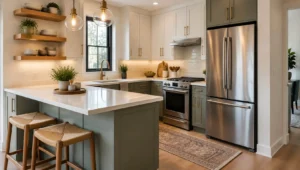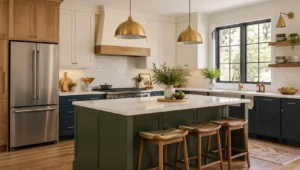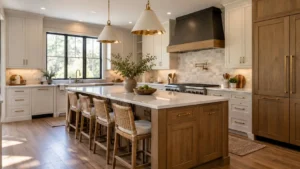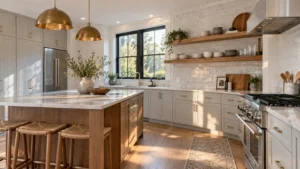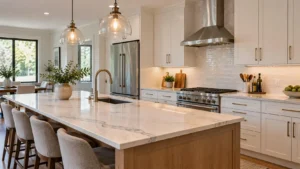

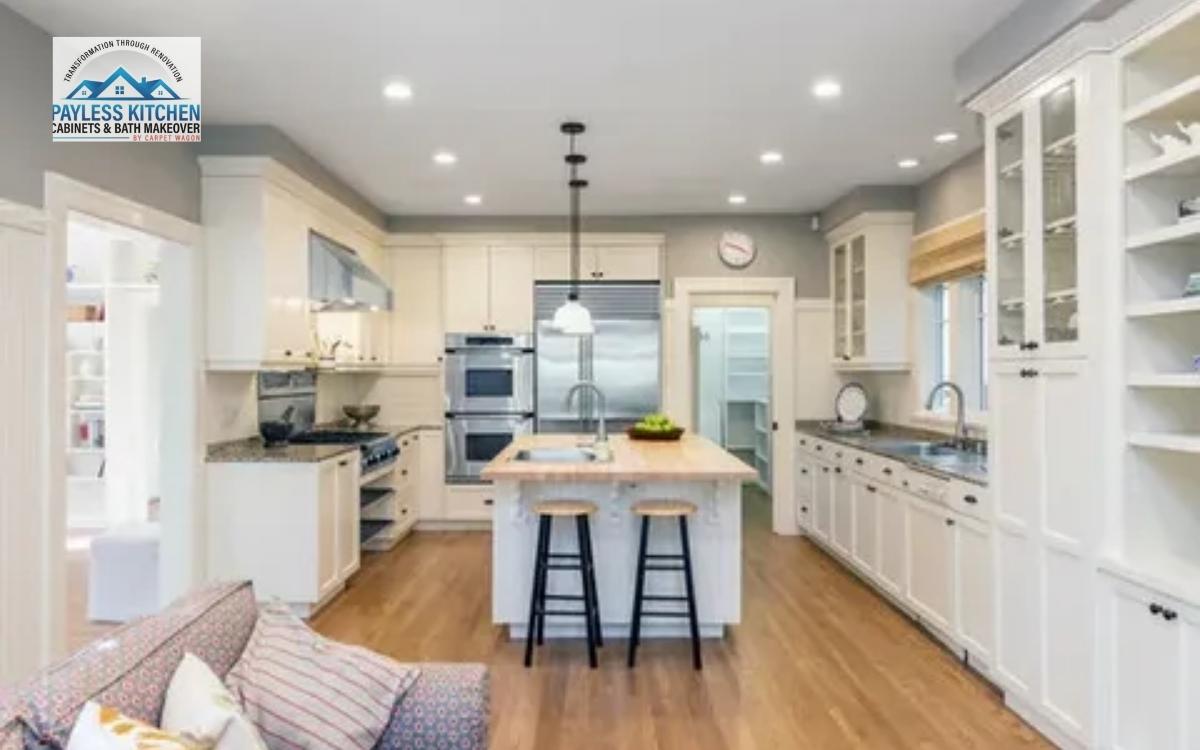
Kitchen remodeling is one of the most rewarding home improvement projects you can undertake. A well-designed kitchen not only enhances your daily routine but also increases your home’s value, improves functionality, and creates a more inviting space for family and guests. Whether you’re updating an outdated layout or completely transforming your kitchen, careful planning is the key to success.
Choosing full-service kitchen remodeling simplifies the renovation process by placing every stage of the project under one experienced team. Instead of coordinating multiple contractors, homeowners benefit from a streamlined approach that includes design, material selection, construction, installation, and final inspections. This guide covers everything you need to know from planning and budgeting to design ideas, timelines, and common remodeling mistakes so you can approach your renovation with confidence.
What is Full-Service Kitchen Remodeling?
A full-service kitchen remodel is a comprehensive renovation solution that manages every aspect of the project from start to finish. Rather than hiring separate professionals for design, plumbing, electrical work, cabinetry, and installation, you work with one company that coordinates the entire process.
This approach improves communication, keeps the project organized, and reduces delays caused by scheduling multiple contractors. It also helps ensure consistent workmanship and a finished kitchen that aligns with your vision and budget.
What Services Are Typically Included?
While services vary by contractor, most full-service remodeling companies provide:
- Design consultation
- Space planning and layout optimization
- Demolition
- Plumbing and electrical upgrades
- Cabinet installation
- Countertop fabrication and installation
- Flooring installation
- Lighting improvements
- Painting and finishing
- Appliance installation
- Final inspections and project walkthrough
Having one team oversee these tasks helps maintain quality standards and minimizes unexpected issues during construction.
Who Should Choose a Full-Service Remodel?
A full-service remodel is ideal for homeowners planning a complete kitchen renovation rather than a few cosmetic upgrades. It is especially beneficial for busy families who want professionals to handle scheduling, material coordination, and project management.
It’s also an excellent choice for owners updating older kitchens or renovating investment properties where efficiency, consistency, and long-term value are important priorities.
Planning Your Kitchen Remodel for Success
Every successful renovation begins with thoughtful planning. Before selecting cabinets or comparing countertop materials, take time to identify your goals and understand how your kitchen needs to function for your lifestyle.
A well-planned project reduces costly changes during construction and helps every design decision support your overall vision.
Set Your Remodeling Goals
Start by identifying what you hope to achieve with your renovation. Some homeowners want more storage, while others prioritize entertaining, cooking efficiency, or increasing resale value.
Clear goals make it easier to prioritize features, compare design options, and allocate your budget toward improvements that will have the greatest impact.
Evaluate Your Existing Kitchen
Take an honest look at your current kitchen and identify areas that no longer meet your needs. Common problems include poor workflow, limited storage, outdated cabinetry, inadequate lighting, and aging appliances.
Understanding these limitations allows you to create solutions instead of simply replacing old materials with new ones.
Follow a Full Kitchen Remodeling Guide
A detailed full kitchen remodeling guide helps keep the project organized from beginning to end. Create a list of must-have improvements before considering luxury upgrades that can be added if your budget allows.
It’s equally important to coordinate your design choices with your financial plan. Selecting materials that complement one another early in the process helps avoid delays and unnecessary revisions later.
Creating a Realistic Kitchen Remodeling Budget
Budgeting is one of the most important aspects of any remodeling project. A realistic budget provides financial clarity while helping you make informed decisions about materials, finishes, and labor.
Rather than focusing only on the total cost, think about how your investment will improve functionality, durability, and long-term home value.
What Affects Remodeling Costs?
Several factors influence the final price of a kitchen renovation. The size of the kitchen is one of the biggest considerations, as larger spaces require more materials and labor.
Material selection also plays a significant role. Custom cabinetry, premium countertops, luxury flooring, and high-end appliances increase costs compared to standard options. Structural changes such as removing walls or relocating plumbing and electrical systems can further impact the budget.
Budgeting Tips for Homeowners
Creating a balanced budget helps you avoid financial surprises while keeping your renovation on track. Consider these practical guidelines:
- Allocate spending across cabinets, countertops, flooring, appliances, labor, and finishing work.
- Reserve approximately 10–20% of your budget for unexpected expenses that may arise during construction.
- Invest in durable materials that offer long-term performance rather than choosing the least expensive options.
A thoughtful budget allows you to prioritize improvements that deliver lasting value instead of focusing solely on appearance.
Kitchen Remodel Checklist Before Construction Begins
Preparation is essential before demolition starts. Completing important decisions in advance helps prevent delays, reduces last-minute changes, and keeps contractors working efficiently throughout the project. A well-organized kitchen remodel checklist also gives you confidence that every detail has been considered before construction begins.
Taking time to prepare allows you to focus on the renovation itself rather than scrambling to make decisions once work is underway. It also helps minimize disruptions to your daily routine.
Design and Material Checklist
Before construction begins, finalize all major design selections. Waiting until the project is underway to choose materials can lead to scheduling delays or product availability issues.
Your design checklist should include:
- Finalized kitchen layout
- Cabinet style and finish
- Countertop material
- Flooring selection
- Backsplash design
- Lighting fixtures
- Sink and faucet
- Appliance models and dimensions
Making these decisions early ensures every component works together and arrives on time for installation.
Project Preparation Checklist
Beyond choosing finishes, there are several practical steps that help the renovation run smoothly. Preparing your home before demolition reduces stress and keeps the project on schedule.
Consider completing the following tasks before construction starts:
- Order materials well in advance.
- Confirm permits and inspections.
- Set up a temporary kitchen for daily meals.
- Protect nearby rooms from dust.
- Review the installation schedule with your contractor.
- Arrange storage for valuables and fragile items.
These preparations help avoid unnecessary interruptions and make living through the renovation much easier.
Kitchen Remodeling Ideas That Improve Style and Function
The best kitchen remodeling ideas combine beautiful design with everyday practicality. While visual appeal is important, your kitchen should also support efficient cooking, entertaining, and storage.
Choosing upgrades that improve both appearance and usability ensures your investment continues to add value long after the renovation is complete.
Layout Improvements
An effective layout makes every task in the kitchen easier. Open-concept designs remain popular because they improve traffic flow and create a more spacious feel, especially in homes where the kitchen serves as a gathering place.
Many homeowners also choose larger islands that provide additional seating, food preparation space, and storage. Improving the classic work triangle between the sink, stove, and refrigerator can significantly increase efficiency, while walk-in pantries help keep countertops free from clutter.
Storage Solutions
Storage is often one of the biggest challenges in older kitchens. Modern cabinetry offers innovative solutions that maximize every inch of available space without making the room feel crowded.
Popular storage upgrades include deep drawers for cookware, pull-out pantry shelves, corner cabinet organizers, vertical tray storage, and built-in recycling stations. These features make everyday items easier to access while keeping the kitchen organized.
Design Features That Add Value
Some design upgrades offer lasting appeal while improving durability and maintenance. Quartz countertops continue to be a favorite because they resist stains, scratches, and everyday wear with minimal upkeep.
Other valuable improvements include stylish tile backsplashes, under-cabinet lighting for better task visibility, and durable flooring materials such as luxury vinyl plank or porcelain tile. These features enhance both functionality and the overall appearance of the space.
Understanding the Kitchen Renovation Timeline
Knowing the typical kitchen renovation timeline helps set realistic expectations and reduces frustration during the remodeling process. While every project differs depending on its complexity, most renovations follow a similar sequence of planning, construction, and final finishing.
Understanding each phase allows homeowners to prepare for temporary inconveniences while tracking progress more effectively.
Pre-Construction Phase
The renovation begins with consultations, design development, measurements, and material selection. During this stage, contractors create detailed plans, finalize product choices, and order cabinets, countertops, flooring, and appliances.
Because many custom products require manufacturing and shipping time, this phase may take several weeks before any demolition begins. Investing time in planning helps prevent costly delays later.
Construction Phase
Once materials are ready, the construction process begins with demolition. Existing cabinets, flooring, countertops, and outdated fixtures are removed to prepare the space for new installations.
After demolition, contractors complete plumbing and electrical work before installing flooring, cabinetry, countertops, lighting, backsplashes, and paint. Each trade follows a carefully coordinated schedule to ensure the project progresses efficiently and meets quality standards.
Final Installation and Inspection
As construction nears completion, appliances, plumbing fixtures, cabinet hardware, and lighting are installed. Contractors then perform detailed inspections to ensure everything functions correctly and meets local building requirements.
The final walkthrough gives homeowners an opportunity to review the finished work, identify any remaining adjustments, and complete a punch list before the project is officially finished.
Kitchen Remodel Mistakes to Avoid
Even well-planned renovations can encounter challenges if common kitchen remodel mistakes are overlooked. Avoiding these issues saves time, protects your budget, and leads to a better finished result. Thoughtful planning and working with experienced professionals can help prevent many of the problems homeowners face during kitchen renovations.
Planning Mistakes
Beginning a remodel without clearly defined goals often leads to expensive changes later in the project. It’s equally important to consider workflow instead of focusing only on aesthetics, since an attractive kitchen should also function efficiently.
Another common mistake is skipping permits when they are required. Proper permits ensure renovations meet local building codes and help avoid complications when selling the home.
Budget Mistakes
Many homeowners underestimate the true cost of remodeling by overlooking labor, installation, permits, or unexpected repairs hidden behind walls. Without a contingency fund, even minor surprises can strain the project budget.
It’s also easy to spend too much on decorative finishes while neglecting investments that improve durability and functionality. Balancing style with long-term performance creates a kitchen that looks beautiful and serves your family well for years.
Design Mistakes
Poor lighting is one of the most common design issues in kitchen renovations. Relying solely on ceiling fixtures often leaves work areas underlit, making cooking and food preparation less convenient.
Insufficient storage is another frequent regret. While trendy features may be appealing today, choosing timeless cabinetry, practical layouts, and quality materials often provides greater long-term satisfaction than following short-lived design trends.
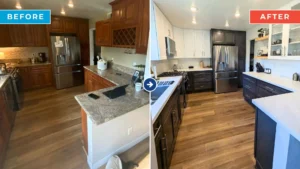
Kitchen Remodel Before and After: What Changes Can You Expect?
One of the most exciting parts of any renovation is seeing the dramatic transformation once the project is complete. A kitchen remodel before and after comparison often highlights not only visual improvements but also significant gains in functionality, comfort, and efficiency.
While every remodel is unique, homeowners typically notice that their new kitchen feels more spacious, organized, and enjoyable to use. Even small layout changes can make a noticeable difference in how the space functions every day.
Functional Improvements
A thoughtfully designed kitchen improves workflow by placing key work areas in more convenient locations. Better spacing between the sink, refrigerator, and cooking area allows multiple people to work comfortably without feeling crowded.
Storage also improves considerably through custom cabinetry, deep drawers, pull-out organizers, and pantry solutions. Additional countertop space makes meal preparation easier, while improved lighting creates a safer and more comfortable environment for cooking and entertaining.
Visual Transformation
The visual impact of a full remodel is often just as impressive as the functional upgrades. Outdated cabinets are replaced with modern styles that instantly refresh the room, while new countertops and backsplashes create a polished, cohesive appearance.
Updated lighting enhances both the atmosphere and practicality of the space, and a fresh color palette brings warmth and brightness. Together, these elements create a kitchen that feels inviting, modern, and tailored to your personal style.
Long-Term Benefits
Beyond the immediate transformation, a remodeled kitchen offers lasting advantages. High-quality materials and professional installation reduce maintenance requirements and improve durability, allowing homeowners to enjoy their investment for years to come.
Energy-efficient appliances, LED lighting, and water-saving fixtures can also help lower utility costs over time. Perhaps most importantly, a well-designed kitchen adds value to your home while making everyday living more enjoyable.
Modern Kitchen Remodel Trends Worth Considering
A modern kitchen remodel blends clean design with practical features that enhance convenience and efficiency. While trends continue to evolve, many current design choices focus on creating timeless spaces that remain stylish for years. The goal isn’t to chase every new trend but to select features that complement your lifestyle while providing lasting value.
Popular Design Trends
Simple, streamlined cabinetry remains one of the defining characteristics of modern kitchens. Flat-panel cabinet doors create a clean appearance that works well with both contemporary and transitional designs.
Large multifunctional islands continue to grow in popularity, serving as spaces for meal preparation, casual dining, and entertaining. Waterfall countertops add a sophisticated architectural touch, while hidden appliances help maintain a seamless and uncluttered look.
Smart Technology
Technology has become an integral part of today’s kitchens. Smart lighting systems allow homeowners to adjust brightness and color temperature for different activities, while touchless faucets improve hygiene and conserve water.
Connected appliances offer features such as remote monitoring, programmable cooking functions, and energy management. Built-in charging stations also provide convenient access to power without adding countertop clutter.
Sustainable Upgrades
Sustainability has become an important consideration for many homeowners planning a remodel. Energy-efficient appliances reduce electricity consumption without sacrificing performance, making them a practical long-term investment.
Other environmentally friendly improvements include LED lighting, eco-friendly flooring materials, low-VOC paints, and water-saving fixtures. These upgrades support a healthier home while reducing environmental impact.
Why Homeowners Choose Full Service Kitchen Remodeling
Choosing full service kitchen remodeling offers advantages that extend well beyond convenience. Instead of managing multiple contractors and coordinating separate schedules, homeowners benefit from a single team responsible for every phase of the project.
Having one point of contact improves communication, reduces misunderstandings, and keeps the renovation moving efficiently from design through completion. This coordinated approach also helps maintain consistent workmanship and quality control throughout the entire project.
Professional project management simplifies scheduling, ensures materials arrive when needed, and allows issues to be addressed quickly before they affect the timeline. For many homeowners, this level of organization reduces stress and creates a smoother remodeling experience from beginning to end.
Frequently Asked Questions
What is included in full service kitchen remodeling?
Full service kitchen remodeling typically includes design consultation, space planning, demolition, plumbing and electrical work, cabinetry, countertops, flooring, lighting, painting, appliance installation, project management, and final inspections. Services may vary slightly depending on the remodeling company.
How long does a complete kitchen remodel usually take?
Most complete kitchen remodels take between 3 and 6 weeks after construction begins, although larger or more complex projects may require additional time. Custom cabinetry, structural changes, and material availability can also affect the overall timeline.
How much does a full kitchen remodel cost?
The cost depends on factors such as kitchen size, material selections, labor, and structural modifications. Establishing a realistic budget and setting aside a contingency fund for unexpected expenses can help keep the project financially manageable.
Can I stay in my home during the renovation?
Yes, many homeowners remain in their homes during a kitchen remodel. However, you should expect temporary disruptions, including limited kitchen access, construction noise, and dust. Setting up a temporary kitchen can make daily life much more comfortable throughout the renovation.
How do I choose the right kitchen remodeling contractor?
Look for a licensed and insured contractor with strong customer reviews, a portfolio of completed projects, and clear communication throughout the planning process. Request detailed estimates, verify references, and ensure the company provides transparent timelines and warranties before signing a contract.
Conclusion
A successful kitchen renovation begins with careful planning, realistic budgeting, and a clear understanding of your goals. By choosing full service kitchen remodeling, homeowners can simplify the renovation process while benefiting from professional design, coordinated project management, and high-quality craftsmanship under one trusted team.
From developing a practical layout and selecting durable materials to understanding timelines and avoiding common remodeling mistakes, every decision contributes to the success of your project. Taking a thoughtful approach helps create a kitchen that is both beautiful and highly functional.
Whether you’re updating an aging space or designing your dream kitchen from the ground up, this guide can serve as a roadmap for making informed decisions every step of the way. With the right planning and experienced professionals, your investment will result in a kitchen that enhances your daily life, increases your home’s value, and delivers lasting satisfaction for years to come.