
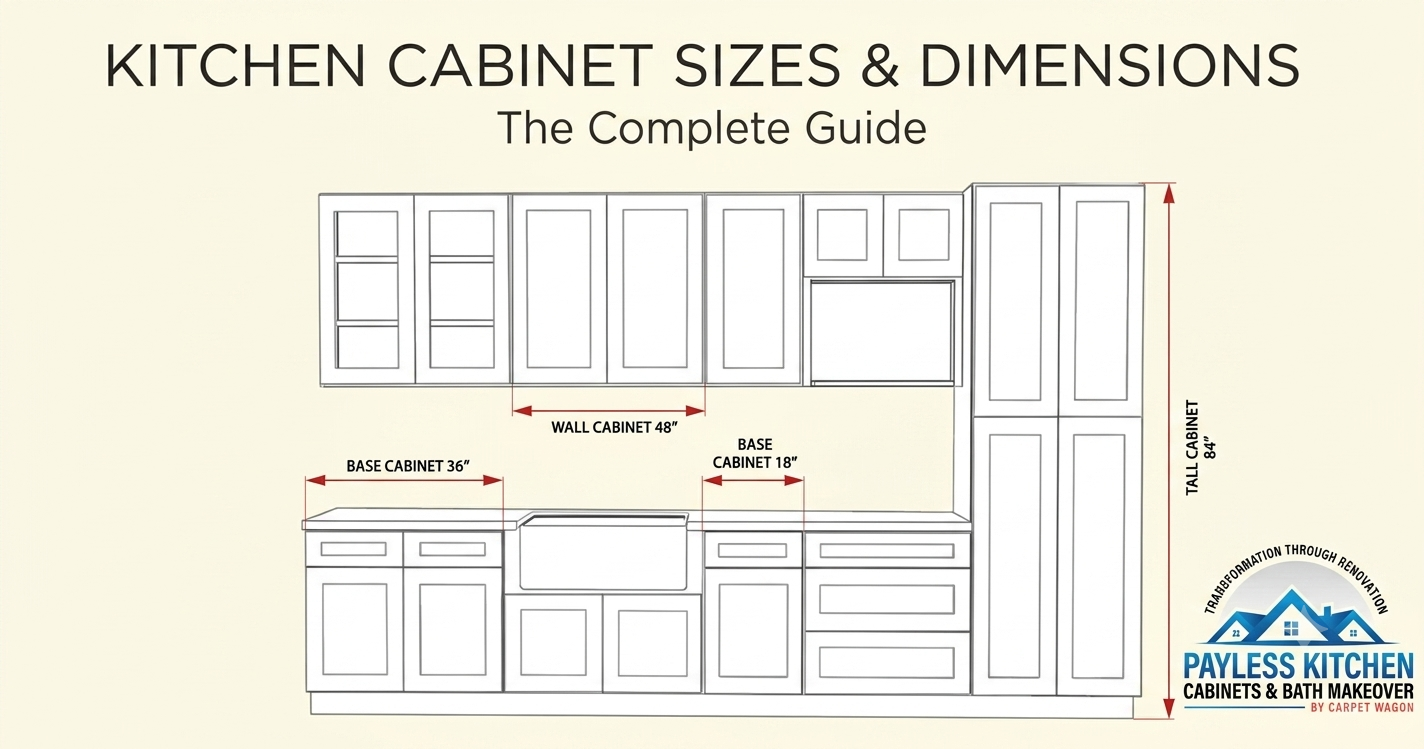
Kitchen cabinets play a major role in both the functionality and appearance of a kitchen. If you’re planning a remodel or replacing existing cabinetry, understanding how tall kitchen cabinets are is essential for creating a comfortable and efficient space. Cabinet height affects storage capacity, accessibility, countertop placement, and the overall balance of your kitchen design.
Knowing the standard kitchen cabinet height options can help you make informed decisions and choose dimensions that fit your needs, lifestyle, and kitchen layout.
Understanding Standard Kitchen Cabinet Heights
Most kitchen cabinets are built using standard dimensions to ensure compatibility with appliances, countertops, and common kitchen layouts.
Standard Base Cabinet Height Measurements
Base cabinets sit directly on the floor and support the countertop. The standard base cabinet height is typically:
- 34.5 inches without a countertop
- Approximately 36 inches with a standard countertop installed
This height is considered comfortable for most kitchen tasks, including food preparation, cooking, and cleaning. Base cabinets generally have a depth of 24 inches and are available in various widths to fit different kitchen designs.
Standard Wall Cabinet Height Options
Wall cabinet height standards vary more than base cabinets because they depend on ceiling height and storage needs.
Common wall cabinet heights include:
- 12 inches
- 15 inches
- 18 inches
- 24 inches
- 30 inches
- 36 inches
- 42 inches
Many kitchens use 30-inch or 36-inch wall cabinets. Homes with taller ceilings often use 42-inch cabinets to maximize vertical storage space.
Tall Kitchen Cabinet Dimensions and Uses
Tall cabinets are commonly used as pantry cabinets or utility storage units.
- Heights of 84 inches, 90 inches, or 96 inches
- Depths ranging from 12 to 24 inches
- Various width options depending on storage requirements
These cabinets provide substantial storage for food, cleaning supplies, small appliances, and household items.
How Kitchen Cabinet Heights Affect Kitchen Design
Cabinet height impacts more than just storage. It influences how your kitchen functions every day.
Impact on Storage Capacity
Taller cabinets create additional storage space without increasing the kitchen footprint.
Benefits include:
- More room for cookware and dishes
- Better organization opportunities
- Reduced countertop clutter
- Increased pantry storage
Higher cabinets are especially useful in kitchens with limited floor space.
Accessibility and Everyday Comfort
Cabinet height should support comfortable daily use. When cabinets are installed too high, frequently used items become difficult to reach. Cabinets installed too low may interfere with countertop work areas.
Selecting the right height helps ensure:
- Easier access to stored items
- Improved workflow
- Better ergonomics
- Greater convenience for household members
Relationship Between Cabinets, Countertops, and Ceilings
Cabinets must work together with countertops and ceiling height to create a balanced design. Most kitchens maintain about 18 inches of clearance between the countertop and wall cabinets. This space allows enough room for small appliances while keeping upper cabinets accessible. Proper proportions create a cleaner, more attractive kitchen layout.
Standard Heights for Different Types of Kitchen Cabinets
Different cabinet types serve different purposes and come with their own sizing standards.
Base Cabinets
Base cabinets are the foundation of most kitchen layouts.
Typical dimensions include:
- Height: 34.5 inches
- Height with countertop: 36 inches
- Depth: 24 inches
These measurements accommodate most appliances and provide a comfortable working surface.
Wall Cabinets
Wall cabinets provide convenient upper-level storage.
Common heights include:
- 30 inches
- 36 inches
- 42 inches
The chosen height often depends on ceiling height and available wall space.
Pantry and Utility Cabinets
Pantry cabinets maximize vertical storage.
Standard heights include:
- 84 inches
- 90 inches
- 96 inches
These cabinets are ideal for storing groceries, kitchen equipment, and household supplies.
Specialty and Custom Cabinets
Some kitchens require custom cabinet dimensions to fit unique spaces or specific homeowner needs.
Examples include:
- Cabinets reaching the ceiling
- Appliance garage cabinets
- Corner storage units
- Custom island cabinetry
Custom options provide flexibility but may increase project costs.
Factors to Consider When Choosing Cabinet Height
The best cabinet height depends on several important factors.
Ceiling Height and Room Size
Ceiling height significantly affects cabinet selection.
For example:
- 8-foot ceilings often pair well with 30- or 36-inch wall cabinets
- 9-foot ceilings frequently accommodate 42-inch cabinets
- Higher ceilings may support stacked or custom cabinetry
Matching cabinet height to ceiling height creates a more proportional appearance.
Household Needs and User Preferences
Every household uses the kitchen differently.
- Height of family members
- Accessibility requirements
- Storage needs
- Frequency of cooking and entertaining
A kitchen designed around your lifestyle will feel more functional every day.
Kitchen Layout and Design Style
Cabinet height should complement the overall kitchen design. Modern kitchens often feature taller cabinets for a sleek appearance, while traditional designs may include decorative space above cabinetry. Open-concept kitchens often benefit from cabinets that extend higher to create a more finished look.
Benefits of Choosing the Right Kitchen Cabinet Height
Selecting the proper cabinet height offers several advantages:
- Maximizes available storage space
- Improves kitchen organization
- Enhances workflow efficiency
- Creates better visual balance
- Increases accessibility
- Supports a more customized kitchen design
Proper sizing can also contribute to higher long-term satisfaction with your kitchen remodel.
Planning Tips for Selecting Kitchen Cabinet Heights
Before ordering cabinets, take time to evaluate your space carefully.
Helpful planning tips include:
- Measure ceiling height accurately.
- Determine how much storage you need.
- Consider appliance placement.
- Plan adequate clearance between countertops and wall cabinets.
- Think about future accessibility needs.
- Review how cabinet heights will affect lighting and ventilation.
- Consult a kitchen design professional for complex layouts.
Careful planning helps prevent costly modifications later in the remodeling process.
Common Mistakes to Avoid When Choosing Cabinet Heights
Many homeowners focus only on appearance and overlook practical considerations.
Avoid these common mistakes:
- Choosing cabinet heights without measuring the room
- Ignoring ceiling height limitations
- Installing wall cabinets too high
- Overlooking accessibility needs
- Forgetting appliance clearances
- Selecting storage capacity that does not match household needs
- Failing to coordinate cabinet dimensions with the overall kitchen layout
Avoiding these issues can help ensure a smoother remodeling experience.
FAQs
1. What is the standard height of kitchen cabinets?
Standard base cabinets are typically 34.5 inches tall without countertops and approximately 36 inches with countertops installed. Wall cabinets commonly range from 30 to 42 inches in height.
2. How tall are kitchen wall cabinets?
Kitchen wall cabinets are available in several heights, including 12, 24, 30, 36, and 42 inches. The best option depends on ceiling height and storage needs.
3. Can kitchen cabinets be taller than standard sizes?
Yes. Custom cabinets can exceed standard dimensions and may extend all the way to the ceiling for additional storage and a more built-in appearance.
4. What height should cabinets be above countertops?
Most kitchens maintain approximately 18 inches of space between the countertop surface and the bottom of the wall cabinets.
5. Are custom cabinet heights worth considering?
Custom cabinet heights can be valuable when working with unusual ceiling heights, specialized storage requirements, or personalized design goals. They provide greater flexibility but often cost more than standard cabinets.
Conclusion
Understanding how tall kitchen cabinets are helps homeowners make smarter remodeling decisions. Standard base, wall, and tall cabinet dimensions provide a strong starting point, but the ideal cabinet height depends on your ceiling height, storage needs, and daily kitchen habits.
By selecting cabinet heights that balance functionality, comfort, and design, you can create a kitchen that looks great and works efficiently for years to come. For more complex layouts or custom cabinetry projects, consulting experienced kitchen remodeling professionals can help ensure the best results.