

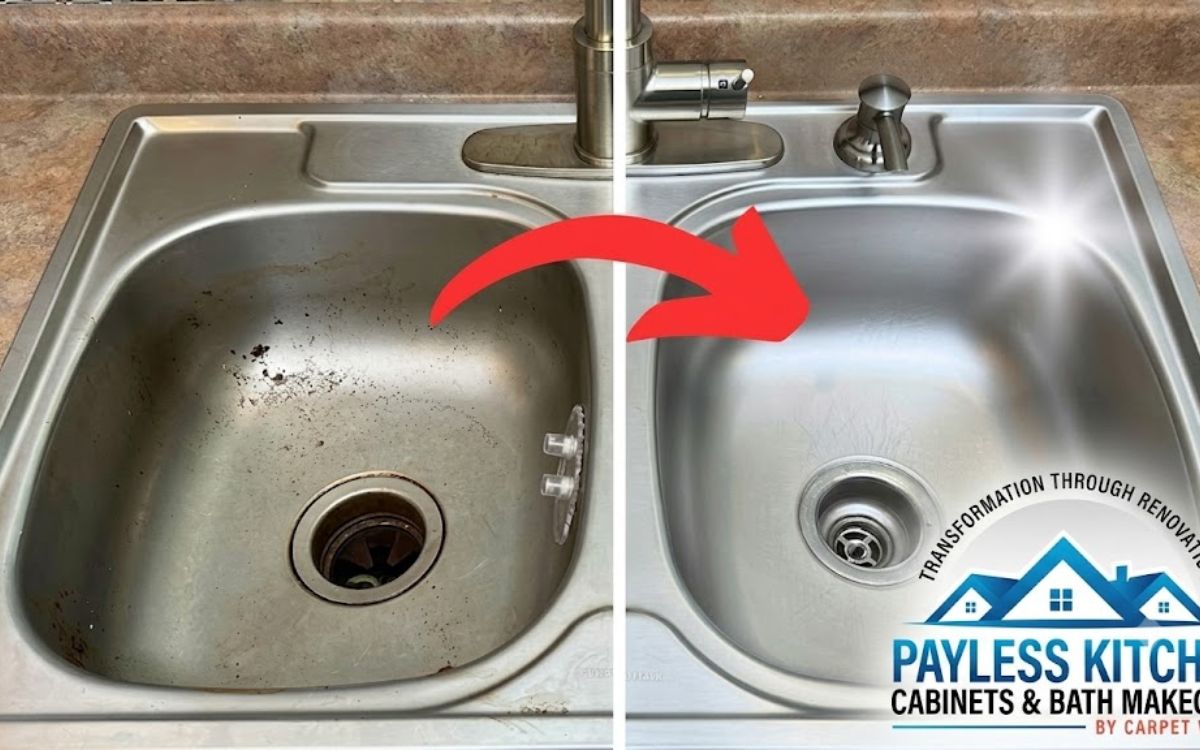
A clean kitchen sink does more than improve appearance. It helps maintain a healthier kitchen, prevents unpleasant odors, and reduces the buildup of bacteria and grime. Since the sink is one of the most frequently used areas in any kitchen, regular care is essential. Understanding how to clean kitchen sink surfaces properly can help keep your kitchen looking fresh while extending the life of your sink.
Why Regular Kitchen Sink Cleaning Is Important
Preventing Bacteria, Odors, and Buildup
Food particles, grease, and moisture collect in the sink every day. Over time, this creates an environment where bacteria and odors can develop. Regular cleaning removes residue before it becomes a larger problem and helps keep the sink sanitary.
Extending the Life of Your Kitchen Sink
Dirt, hard water deposits, and cleaning neglect can damage sink surfaces over time. Routine maintenance protects finishes and helps prevent staining, corrosion, and discoloration that may shorten the sink’s lifespan.
Maintaining a Cleaner and Healthier Kitchen Environment
A dirty sink can affect the cleanliness of surrounding countertops, dishes, and food preparation areas. Keeping the sink clean contributes to a healthier kitchen and supports better overall hygiene.
Understanding Different Kitchen Sink Materials
Different sink materials require different cleaning methods. Knowing what your sink is made from helps prevent accidental damage. If you’re comparing sink mounting styles for your next remodel, check our guide on undermount vs overmount sinks to understand how installation affects cleaning and maintenance.
Cleaning Stainless Steel Kitchen Sinks
Stainless steel kitchen sinks are popular because they are durable and easy to maintain. Use mild dish soap and a soft sponge to remove dirt and grease. Always wipe along the grain of the steel to maintain its appearance and reduce visible scratches.
Caring for Composite and Granite Sinks
Composite and granite sinks are resistant to stains but can lose their finish if cleaned with harsh chemicals. Warm water, gentle soap, and a soft cloth are usually enough for routine cleaning.
Cleaning Porcelain and Cast Iron Sinks
Porcelain and cast iron sinks offer a classic look but can chip if treated roughly. Use non-abrasive cleaners and avoid metal scrubbers that may scratch the surface.
How to Clean a Kitchen Sink Step by Step
Following a simple process makes cleaning easier and more effective.
Removing Food Debris and Surface Dirt
Start by clearing away food scraps, crumbs, and loose residue. Rinse the sink thoroughly with warm water to remove surface dirt before applying any cleaning products.
Washing the Sink With Everyday Cleaning Products
Apply a small amount of dish soap or a mild cleaner to the sink. Use a soft sponge or cloth to clean all surfaces, including the basin, sides, and faucet area. For faucet maintenance tips and installation guidance, see Installing a Kitchen Sink Faucet the Easy Way.
Scrubbing Problem Areas and Corners
Pay extra attention to sink corners, drain openings, and areas where buildup tends to collect. A soft-bristle brush can help reach tight spaces without damaging the finish.
Rinsing and Drying for a Spot-Free Finish
After cleaning, rinse the sink thoroughly. Dry the surface with a microfiber cloth to prevent water spots and leave the sink looking polished.
How to Remove Common Kitchen Sink Stains and Odors
Even well-maintained sinks can develop stains and odors over time.
Removing Hard Water Stains
Hard water stains appear as white or cloudy marks on sink surfaces. A mixture of vinegar and water can help break down mineral deposits. Let it sit briefly before wiping clean. Similar cleaning techniques work well on nearby surfaces. Learn more about how to clean quartz countertops in Anaheim.
Treating Rust Marks and Discoloration
Rust spots may develop due to standing water or metal objects left in the sink. Gentle cleaning products designed for rust removal can help restore the sink’s appearance without causing damage.
Eliminating Drain Odors Naturally
Kitchen drains can trap food particles that produce unpleasant smells. Pouring hot water down the drain followed by baking soda and vinegar can help remove odor-causing buildup.
Handling Grease and Soap Residue Buildup
Grease and soap scum often collect around drains and sink edges. Regular scrubbing with warm water and mild detergent helps prevent residue from becoming difficult to remove.
Natural and Eco-Friendly Kitchen Sink Cleaning Methods
Many homeowners prefer natural kitchen sink cleaners because they are simple and environmentally friendly.
Using Baking Soda and Vinegar
Baking soda works as a gentle abrasive that helps lift stains and residue. Vinegar helps dissolve mineral deposits and eliminate odors. Together, they create an effective deep-cleaning solution.
Cleaning With Lemon and Mild Dish Soap
Lemon naturally cuts through grease and leaves a fresh scent. Combined with mild dish soap, it provides an easy and natural way to clean kitchen sink surfaces.
Benefits of Natural Kitchen Sink Cleaners
Natural cleaning methods offer several advantages:
- Reduce exposure to harsh chemicals
- Help remove odors naturally
- Are generally affordable and easy to use
- Can be safe for many sink materials when used properly
Best Practices for Deep Cleaning a Kitchen Sink
Regular maintenance should be combined with occasional deep cleaning.
Cleaning the Drain and Garbage Disposal Area
The drain area often collects food debris and grease. Flush the drain with hot water and clean around the disposal opening to prevent buildup and odors. When you’re planning a kitchen upgrade alongside maintenance, explore types of kitchen cabinets for your home to find styles that match your cleaning routine and lifestyle.
Sanitizing Sink Surfaces Properly
After cleaning, sanitize the sink using a food-safe disinfecting product or approved sanitizing solution. This helps reduce bacteria on frequently touched surfaces.
Creating a Weekly Deep Cleaning Routine
A simple weekly routine can keep your sink in excellent condition:
- Remove debris daily
- Wipe surfaces after use
- Deep clean once each week
- Check for stains and buildup regularly
Benefits of Keeping Your Kitchen Sink Clean
Maintaining a clean sink offers several benefits:
- Improves kitchen hygiene
- Reduces unpleasant odors
- Prevents stubborn stains and buildup
- Protects sink finishes
- Creates a more attractive kitchen environment
- Supports easier daily maintenance
Planning Tips for Easy Kitchen Sink Maintenance
Consistent care is easier when you have a plan. Choose cleaning products that are appropriate for your sink material. Keep basic supplies nearby for quick daily cleaning. Wipe the sink dry after use to prevent water spots and mineral deposits. Establishing a simple cleaning schedule can make maintenance feel less overwhelming and help prevent larger cleaning issues from developing. For comprehensive remodeling planning including cabinet installation costs and best practices, read the essential guide to kitchen cabinet installation.
Common Mistakes to Avoid When Cleaning a Kitchen Sink
Many cleaning problems come from using the wrong methods. Avoid these common mistakes:
- Using abrasive steel wool on delicate surfaces
- Allowating food debris to sit in the sink for long periods
- Ignoring drain cleaning and odor prevention
- Using harsh chemicals that may damage finishes
- Leaving standing water in the sink
- Skipping regular maintenance until buildup becomes severe
FAQs
What is the best way to clean a kitchen sink?
The best way is to remove debris, wash the sink with mild dish soap, scrub problem areas, rinse thoroughly, and dry the surface to prevent water spots.
How do I remove stains from a kitchen sink?
Hard water stains, discoloration, and minor marks can often be removed using baking soda, vinegar, or sink-safe cleaning products designed for stain removal.
Can I use natural products to clean my kitchen sink?
Yes. Baking soda, vinegar, lemon juice, and mild dish soap are commonly used natural kitchen sink cleaners that help remove stains and odors.
How often should I deep clean a kitchen sink?
A weekly deep cleaning routine is usually sufficient for most households, along with daily rinsing and surface wiping.
What should I avoid when cleaning a stainless steel kitchen sink?
Avoid abrasive scrubbers, steel wool, and harsh chemicals that can scratch or damage the finish. Always clean along the grain when possible.
Conclusion
Learning how to clean kitchen sink surfaces properly helps maintain a fresh, hygienic, and attractive kitchen. Regular cleaning prevents stains, odors, and buildup while protecting your sink’s appearance for years to come. Whether you use traditional cleaning products or natural solutions, a consistent maintenance routine can make a noticeable difference. For homeowners planning a larger kitchen update, professional remodeling guidance can help ensure every element of the space remains both functional and easy to maintain. Compare whether cabinet refacing is better than replacing for your 2026 renovation goals before making your final decision.