
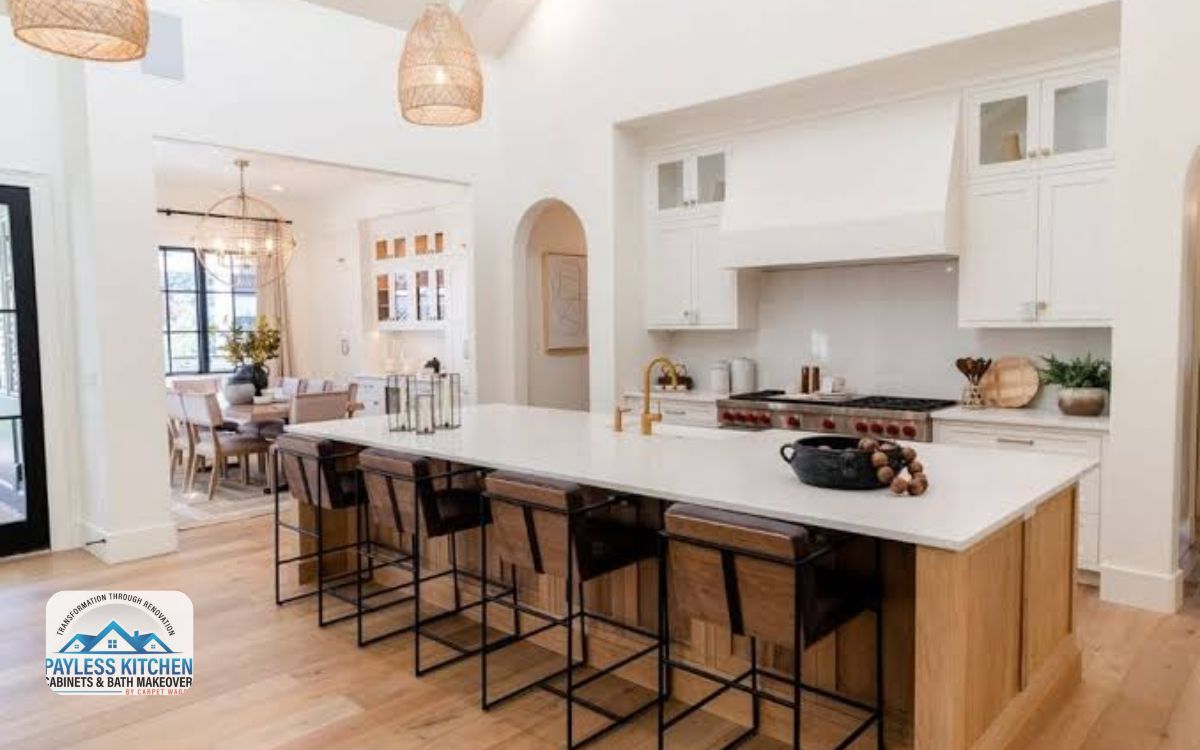
A kitchen island often serves as the centerpiece of the room. It provides additional workspace, supports meal preparation, offers seating, and helps define the overall style of the kitchen. Choosing the right countertop can make your island more functional while enhancing the appearance of the entire space. Whether you’re planning a complete remodel or updating your existing kitchen, exploring different kitchen island countertop ideas can help you create a design that suits your lifestyle, budget, and personal taste.
Why Your Kitchen Island Countertop Matters
A well-designed island countertop does much more than provide a place to prepare meals. It influences how your kitchen looks, functions, and performs over time.
Blending Functionality With Visual Appeal
The countertop is one of the most noticeable features in a kitchen. It should complement your cabinets, flooring, and backsplash while providing a durable surface for daily use. Selecting the right material and finish helps create a balanced design that is both attractive and practical.
Creating a Practical Workspace for Everyday Use
Kitchen islands often become the busiest work area in the home. They are used for chopping vegetables, preparing meals, serving food, and gathering with family. Choosing a countertop that resists scratches, stains, and heat helps keep the space functional for years.
Increasing the Value of Your Kitchen Design
A thoughtfully designed island can improve the overall appeal of your kitchen. Quality countertop materials and timeless designs often make the space more attractive to future buyers while enhancing everyday enjoyment.
Popular Kitchen Island Countertop Ideas
There are many kitchen island countertop designs that work well in both modern and traditional kitchens. Each option offers unique benefits depending on your style preferences and maintenance expectations.
Waterfall Edge Countertops for a Modern Look
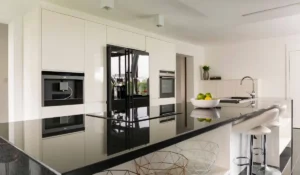
Waterfall countertops extend the countertop material down both sides of the island, creating a sleek and seamless appearance. These waterfall kitchen island countertops have become a popular choice for contemporary kitchens because they create a clean architectural statement while protecting the cabinet ends.
Quartz Countertops for Style and Low Maintenance
Quartz remains one of the most popular choices for kitchen islands because it combines beauty with durability. Benefits include:
- Non-porous surface that resists stains
- Minimal maintenance requirements
- Wide range of colors and patterns
- Excellent durability for everyday use
- Consistent appearance across large surfaces
Quartz kitchen island countertops work well in busy households where easy cleaning is a priority.
Granite Countertops for Natural Beauty
Granite offers unique natural patterns that make every countertop one of a kind. Its strength and heat resistance make it an excellent choice for homeowners who cook frequently.
Although granite requires occasional sealing, many people appreciate its luxurious appearance and long-lasting performance.
Butcher Block Countertops for Warmth and Character
Wood countertops bring warmth and texture into the kitchen. Butcher block surfaces are ideal for farmhouse, transitional, and rustic designs. They can also serve as dedicated food preparation areas when properly maintained.
Mixed Material Countertop Designs for a Custom Look
Combining two countertop materials allows homeowners to create a personalized kitchen island. For example, pairing quartz with butcher block creates visual contrast while separating cooking and dining areas.
Choosing the Right Kitchen Island Countertop Material
Selecting the right material involves balancing appearance, maintenance, durability, and budget.
Comparing Durability and Maintenance Requirements
Different countertop materials require different levels of care.
- Quartz offers excellent durability with little maintenance.
- Granite provides outstanding strength but needs periodic sealing.
- Butcher block requires regular oiling and moisture protection.
- Solid surface materials are easy to repair but may scratch more easily.
Understanding maintenance expectations helps homeowners make a long-term investment.
Matching Countertop Materials With Your Lifestyle
Think about how your family uses the kitchen each day. If your island handles heavy meal preparation, choose a material that resists stains and scratches. Families with children often appreciate durable surfaces that require minimal upkeep.
If entertaining is a priority, decorative materials and bold finishes may better suit your design goals.
Budget Considerations for Different Countertop Options
Countertop prices vary depending on:
- Material selection
- Thickness
- Edge profile
- Installation complexity
- Island size
- Custom fabrication
Balancing cost with durability helps maximize long-term value rather than simply choosing the lowest-priced option.
Limited-Time Offer
Transform Your Kitchen for Less!
-
✓
Family-owned in L.A. since 1985 -
✓
2 Years 0% Interest Financing Available -
✓
On-Time Guarantee: Late? We Pay You $50/Day
📞Call Us Today: (866) 482-0919
Kitchen Island Countertop Design Ideas
Beyond selecting the material, thoughtful design decisions help your island become both functional and visually appealing.
Coordinating Countertops With Cabinets
Your island countertop should complement surrounding cabinetry instead of competing with it. Light countertops often pair well with darker cabinets, while darker surfaces create contrast against white or light-colored cabinetry.
Selecting Colors and Patterns That Complement the Kitchen
Choose colors that blend naturally with flooring, backsplash materials, and wall finishes. Neutral tones remain timeless, while bold veining or dramatic patterns create an eye-catching focal point.
Adding Seating and Overhangs for Functionality
A properly designed overhang makes island seating more comfortable for family meals and entertaining.
When planning seating, consider:
- Number of stools needed
- Comfortable legroom
- Walkway clearance
- Traffic flow around the island
These details improve both appearance and everyday usability.
Incorporating Built-In Features Into the Island
Many homeowners increase functionality by integrating useful features into the island countertop, including sinks, cooktops, electrical outlets, charging stations, and hidden storage. Planning these elements early helps ensure the finished design supports your daily routine.
Benefits of Choosing the Right Kitchen Island Countertop
Selecting the right countertop provides benefits that go beyond appearance.
A quality kitchen island countertop can:
- Improve food preparation efficiency
- Increase usable workspace
- Enhance kitchen organization
- Complement the overall design style
- Resist daily wear and moisture
- Add lasting value to the home
Choosing materials that match both your design preferences and household needs creates a kitchen that performs well for many years.
Planning Tips Before Installing a Kitchen Island Countertop
Proper planning helps avoid expensive changes later in the remodeling process.
Measuring the Available Space
Measure the kitchen carefully before selecting an island size. Ensure there is enough walking space around all sides while maintaining comfortable access to cabinets and appliances.
Choosing the Right Countertop Thickness and Edge Profile
Countertop thickness influences both appearance and structural support. Edge profiles also affect the final look, ranging from simple square edges to decorative beveled or rounded designs.
Planning for Sinks, Cooktops, and Electrical Outlets
If the island will include appliances or plumbing fixtures, these should be incorporated into the design before fabrication begins. Early planning simplifies installation and helps prevent unnecessary modifications.
Working With the Overall Kitchen Layout
The island should support the natural flow between the refrigerator, sink, and cooking area. Keeping these work zones connected improves efficiency while maintaining an open, comfortable layout.
Common Mistakes to Avoid When Choosing a Kitchen Island Countertop
Several common mistakes can affect both appearance and long-term performance.
Avoid these issues whenever possible:
- Selecting materials based only on appearance
- Ignoring maintenance requirements
- Choosing colors that clash with surrounding finishes
- Underestimating seating space and overhang needs
- Forgetting to plan appliance locations before installation
- Purchasing materials without considering long-term durability
Careful planning often results in a countertop that performs as well as it looks.
FAQs
What is the best material for a kitchen island countertop?
Quartz is often considered one of the best choices because it offers excellent durability, stain resistance, and minimal maintenance while providing many design options.
Are quartz countertops better than granite for kitchen islands?
Both materials perform well. Quartz requires less maintenance, while granite offers unique natural patterns and outstanding heat resistance. The best choice depends on your priorities.
What is a waterfall kitchen island countertop?
A waterfall countertop extends from the top surface down both vertical sides of the island, creating a continuous modern appearance.
How much overhang is needed for island seating?
Most kitchen islands include an overhang of approximately 12 inches for comfortable seating, although larger overhangs may require additional structural support.
Should the kitchen island countertop match the perimeter countertops?
Not necessarily. Many homeowners choose contrasting countertop materials or colors for the island to create a focal point while maintaining overall design harmony.
Conclusion
The best kitchen island countertop ideas combine style, durability, and everyday functionality. Whether you prefer elegant quartz, natural granite, warm butcher block, or striking waterfall designs, selecting the right material helps create a kitchen that meets your needs while enhancing the overall appearance of the space.
By carefully considering materials, layout, maintenance, and design details, you can create a kitchen island that serves as both a practical workspace and a beautiful centerpiece. If you’re planning a kitchen remodel, consulting an experienced professional can help ensure your countertop selection complements your cabinets, layout, and long-term goals.