
When planning a room refresh, cabinet hardware is often referred to as the jewelry of the home. These small accents pack a major design punch, capable of converting tired, outdated cabinetry into a polished, contemporary centerpiece. Keeping up with the latest cabinet hardware trends allows you to make strategic updates that elevate your space without requiring a full-scale renovation.
This year’s design shifts lean heavily into a blend of tactile textures, rich metallic tones, and bold architectural silhouettes. Whether you are building a custom home or simply looking for budget-friendly hardware remodel ideas, staying informed on current finishes and styles ensures your space feels thoughtful, elevated, and timeless.
What Is Driving Modern Cabinet Hardware Trends?
Today’s interior design philosophy emphasizes tactile experiences and personalized spaces over mass-produced uniformity. Homeowners want functional elements that feel good to touch while adding visual depth to flat-panel or Shaker doors. Choosing stylish cabinet handles allows hardware choices to bridge the gap between utilitarian cabinetry and soft home furnishings as kitchens and bathrooms become more integrated with living areas.
The Impact of Hardware on Kitchen and Bath Aesthetics
Hardware acts as a visual anchor that connects your cabinetry to surrounding finishes like faucets, lighting fixtures, and appliances. A subtle swap from polished chrome to warm bronze can completely transform a room’s temperature, taking it from sterile and cold to cozy and inviting. It is one of the most effective tools designers use to refine a room’s overall mood.
Beyond color, the shape and scale of pulls dictate whether a space leans traditional, modern minimalist, or industrial chic. Changing hardware profiles allows you to alter a room’s design language without painting a single cabinet or tearing out existing countertops.
Mixing Functionality With High-End Interior Design
Modern hardware must perform flawlessly under continuous daily use. High-end hardware lines prioritize ergonomic grips, heavy-weight solid brass constructions, and durable, smudge-resistant coatings that hold up against water and oils.
Form and function now walk hand in hand. Designers are specifying hardware that feels substantial in the hand while serving as a distinct architectural detail that elevates everyday routines.
Top Cabinet Hardware Trends for This Year
This year’s standout hardware trends celebrate craftsmanship, warm tones, and confident geometric lines. Here are the defining styles leading modern interior design choices.
Warm Brass Hardware Finishes Making a Comeback
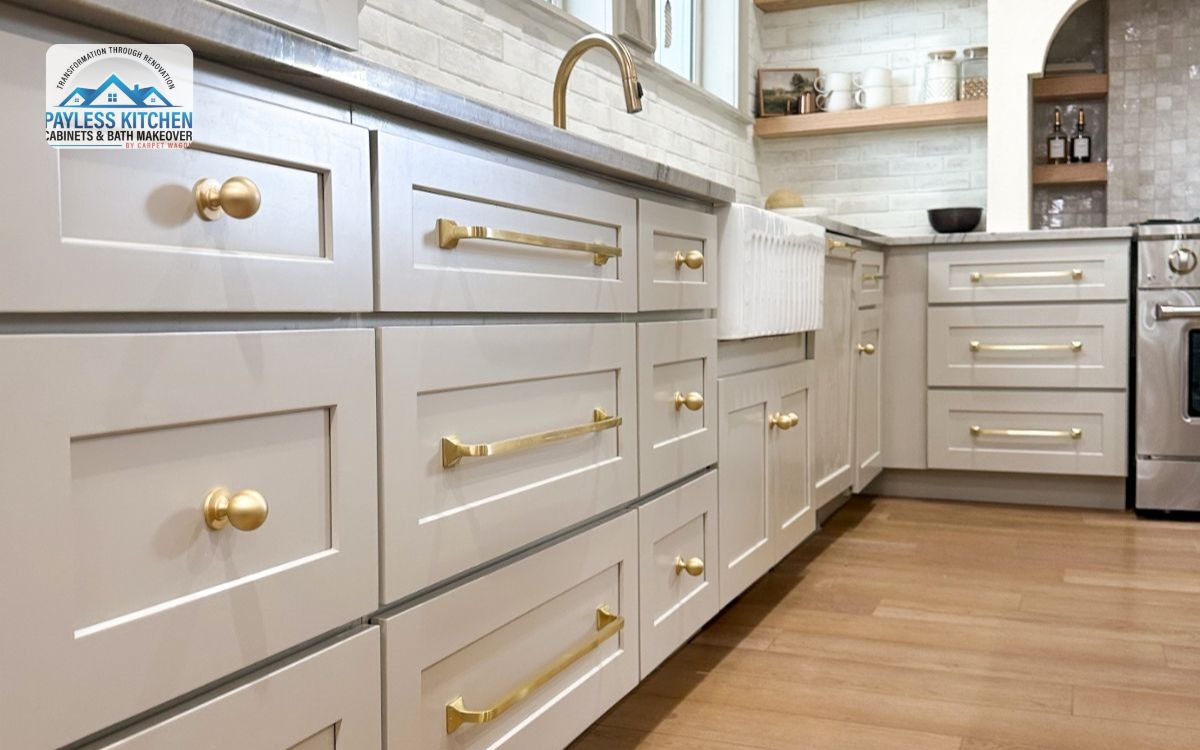
Satin, brushed, and champagne brass hardware finishes are dominating current kitchen designs. Unlike the high-gloss, yellow brass popular in the 1980s, today’s warm brass features soft, brushed undertones that radiate quiet luxury. These finishes pair beautifully with two-toned kitchen cabinets, warm wood stains, and classic white Shaker doors alike.
Bold and Sleek Matte Black Cabinet Handles
For those seeking high-contrast drama, matte black cabinet handles offer a clean, anchor-like presence. They create striking lines against light-colored cabinetry and harmonize effortlessly with industrial or modern farmhouse aesthetics. Black finishes also pair exceptionally well with black stainless steel appliances and dark matte plumbing fixtures.
Contemporary Cabinet Knobs With Geometric Shapes
Moving beyond standard round knobs, contemporary cabinet knobs now showcase hexagons, squares, T-bars, and asymmetrical arches. These subtle geometric forms act like miniature sculptures on cabinet fronts, offering a sophisticated edge to minimalist layouts.
Oversized and Architectural Modern Drawer Handles
Extra-long, continuous modern drawer handles are replacing traditional short pulls on wide drawer banks. Extending anywhere from 8 to 18 inches or even running the full width of a drawer these oversized pulls create long horizontal lines that visually expand a room.
Textured and Knurled Metal Finishes
Knurled detailing a cross-hatch or diamond pattern cut into metal adds an industrial, high-tactile element to pulls and knobs. This textured trend not only catches light beautifully but also provides a non-slip grip, making it as practical as it is visually captivating.
How to Choose the Right Kitchen Cabinet Pulls for Your Space
Selecting the right hardware involves balancing proportions, cabinet styles, and finish palettes across the entire room.
| Hardware Style | Best Cabinet Match | Primary Aesthetic Vibe |
| Warm Brushed Brass | Navy, Forest Green, White Shaker | Warm Luxury, Transitional |
| Matte Black Handles | Natural Oak, Light Gray, Crisp White | Modern Farmhouse, Industrial |
| Knurled Metal Pulls | Flat Panel Slab, Dark Walnut | Contemporary, Urban Industrial |
| Geometric Knobs | Painted Pastels, Two-Tone Cabinets | Mid-Century Modern, Eclectic |
Matching Hardware Styles to Your Cabinet Door Types
Traditional raised-panel cabinets pair best with classic cup pulls or decorative drop handles that complement intricate molding. Conversely, modern flat-panel slab doors demand streamlined bar pulls, edge pulls, or minimalist knobs that reinforce clean horizontal lines.
Shaker-style cabinets offer maximum versatility, seamlessly accommodating everything from rustic bin pulls to sleek modern T-bars depending on your desired design direction.
Mixing Metals vs. Single-Finish Consistency
While using a single finish throughout a room offers cohesive simplicity, mixing metals creates a curated, multi-layered look. A reliable design rule is to choose one dominant finish (such as brushed brass for cabinet pulls) and pair it with a secondary accent finish (like matte black light fixtures or a chrome faucet).
To keep mixed metals looking intentional rather than chaotic, limit your palette to two finishes and ensure they feature contrasting tones or textures.
Selecting Hardware Scales and Proportions
Proportion is key when installing kitchen cabinet pulls. Standard drawers under 24 inches wide typically look balanced with 3- to 5-inch pulls, while wider drawers (24 to 36 inches) call for 6- to 12-inch handles or dual pulls.
Using undersized hardware on large drawers can make the cabinetry feel overwhelming, while oversized pulls on small doors create unnecessary visual clutter.
Hardware Remodel Ideas: Quick and Budget-Friendly Upgrades
You don’t need a massive renovation budget to give your home a fresh look. Strategic hardware swaps offer high visual impact for a fraction of full remodeling costs.
Transforming Plain Cabinets Without a Full Replacement
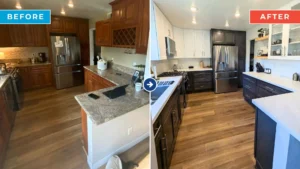
Upgrading builder-grade chrome knobs to trendy textured pulls instantly modernizes basic cabinets. Pairing new hardware with refinishing cabinet doors can turn dated oak or plain thermofoil cabinetry into a custom-looking feature wall.
Creating Accent Elements in Islands and Vanities
Consider using a distinct hardware finish on your kitchen island or bathroom vanity to turn it into an intentional focal point. For instance, if your perimeter cabinets feature matte black pulls, installing warm brass hardware on a stained wood island adds instant designer flair.
Practical Tips for Installing Cabinet Hardware
Installing new hardware is an approachable DIY project, provided you take precise measurements and use the correct setup.
Essential Tools and Measurement Techniques
Accurate measurement is critical, especially when replacing existing hardware. Measure “center-to-center” the distance from the middle of one screw hole to the middle of the other rather than the total length of the pull itself.
Key tools to gather before starting include:
- Tape measure or digital caliper
- Power drill with appropriate brad-point bit
- Painter’s tape (to prevent wood splintering)
- Level and pencil
- Cabinet hardware alignment template
Using Hardware Templates for Accurate Placement
Using an inexpensive plastic or acrylic hardware template ensures uniform placement across all doors and drawers. Clamping a template in place before drilling eliminates guesswork and prevents costly drilling errors on finished cabinet doors.
Working With Professional Designers vs. DIY Upgrades
Replacing handles using existing screw holes is a straightforward DIY afternoon project. However, if you are filling existing holes, repainting, or installing hardware on high-end custom cabinetry, relying on professional cabinet installation ensures proper alignment and long-term structural fit.
Long-Term Care and Maintenance for Hardware Finishes
To keep your hardware looking brand new, care for its finish using gentle, non-abrasive techniques.
Cleaning Delicate Finishes Like Brass and Matte Black
Clean hardware regularly using a soft microfiber cloth dampened with warm water and mild dish soap. Avoid harsh chemical sprays, bleach, or vinegar, as acidic solutions can strip protective clear coats from brass and cause matte black finishes to flake or discolor.
Preventing Tarnishing, Scratches, and Fingerprints
Selecting high-quality unlacquered brass allows for a natural, aging patina over time, whereas lacquered brass requires simple wiping to maintain its shine. For matte black and knurled finishes, applying a light coat of beeswax once a year helps seal the surface against oils and fingerprint smudges.
Common Mistakes to Avoid When Upgrading Cabinet Hardware
Even minor hardware mistakes can disrupt an otherwise beautiful design. Avoid these frequent missteps:
- Measuring Total Length Instead of Center-to-Center: Ordering pulls based on total end-to-end length rather than screw-hole spacing leads to ill-fitting hardware.
- Ignoring Door and Drawer Clearances: Always check that long handles won’t collide with adjacent walls, appliances, or corner cabinet doors when opened.
- Choosing Style Over Ergonomics: Test hardware sample pieces first to ensure sharp edges or narrow pull gaps don’t feel uncomfortable during daily use.
- Using Too-Short Screws: Thicker drawer fronts often require longer breakaway screws than standard 1-inch cabinet door screws.
FAQs
What cabinet hardware finishes are most popular right now?
Warm brushed brass, matte black, and textured knurled metals are currently the most popular finishes. Satin nickel also remains a staple choice for classic and transitional home designs.
Should cabinet knobs and pulls match throughout the entire kitchen?
They do not need to match in form, but they should share a cohesive finish or complementary style. A common approach is using knobs on upper cabinet doors and pulls on lower drawers.
How do I measure my existing cabinet doors for new pulls?
Measure the center-to-center distance between the two screw holes on the back of the drawer or door front. Standard center-to-center sizes include 3 inches, 3.75 inches (96mm), 5 inches (128mm), and 6.3 inches (160mm).
Can you mix brass hardware finishes with stainless steel appliances?
Yes, mixing warm brass hardware with stainless steel appliances is a popular, timeless design choice. The warmth of brass balances the cool, industrial tone of stainless steel, creating a well-rounded aesthetic.
Are matte black cabinet handles hard to keep clean?
Quality matte black hardware with powder-coated or electroplated finishes resists fingerprints well. Simple cleaning with a damp microfiber cloth keeps them free of dust and water spots.
Conclusion
Upgrading your cabinet hardware is one of the most effective, accessible ways to infuse modern style into your kitchen or bathroom. Whether you fall in love with the inviting glow of warm brass, the crisp contrast of matte black, or the rich texture of knurled handles, today’s cabinet hardware trends emphasize personal expression and tactile luxury. By choosing proportions that suit your doors, maintaining consistent finish logic, and measuring carefully before installation, you can easily transform basic cabinetry into a tailored, designer-worthy centerpiece for your home.