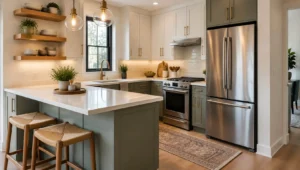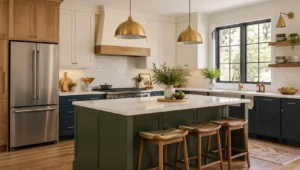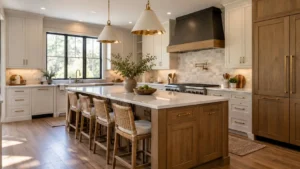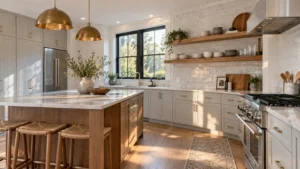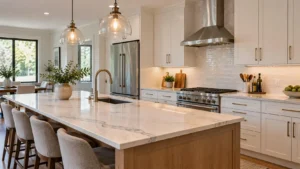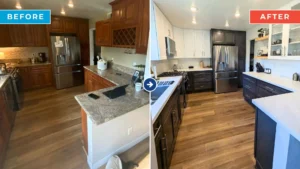

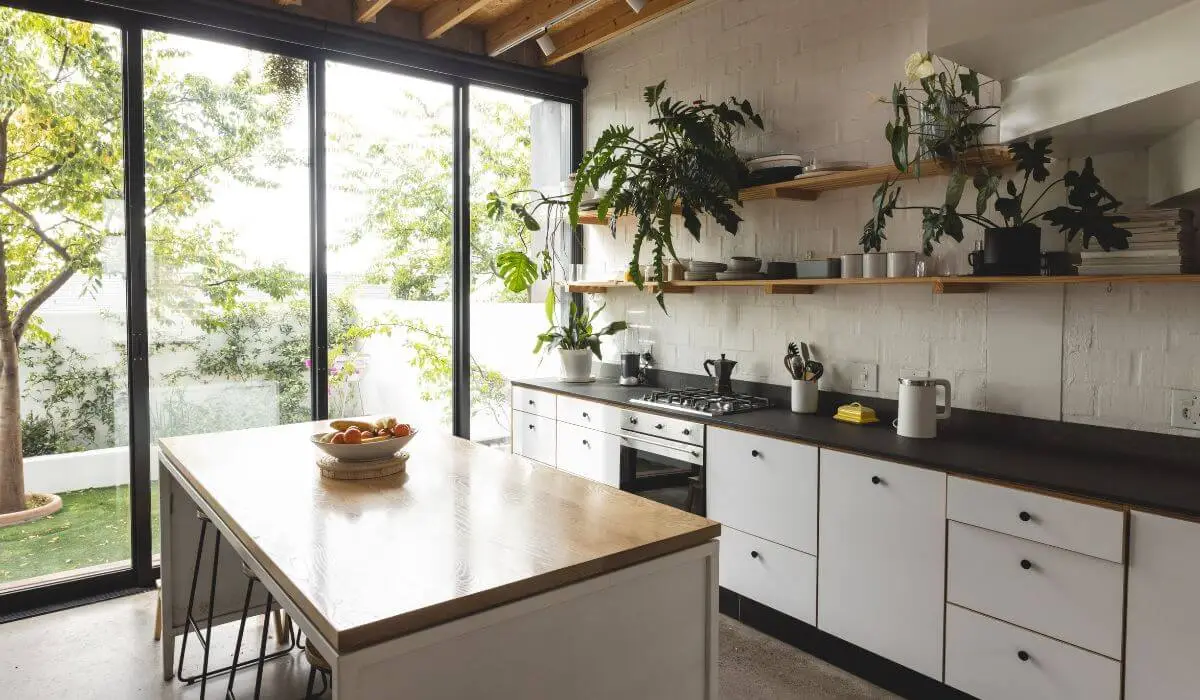
The right kitchen window can do much more than bring daylight into your home. It can improve ventilation, create a stronger connection with the outdoors, make a compact room feel larger, and add character to your overall design. From large statement windows to practical space-saving options, there are plenty of ways to make a window work beautifully in your kitchen.
Whether you are planning a complete renovation or simply updating an existing window, choosing the right style, placement, and treatment is important. These kitchen window ideas explore different designs, treatments, and decorating approaches to help you create a kitchen that feels bright, comfortable, and stylish.
How Kitchen Windows Can Transform Your Space
Why Natural Light Matters in a Kitchen
Natural light can make a kitchen feel more open, welcoming, and spacious. It also helps highlight cabinet colours, worktops, flooring, and other design details that may look different under artificial lighting. If your kitchen feels dark or enclosed, improving the amount of daylight entering through the windows can make a noticeable difference.
When planning kitchen windows for natural light, consider both the size and position of the opening. A larger window is not always necessary; even a strategically positioned smaller window can brighten a workspace and make the room feel more connected to the outdoors.
Choosing Kitchen Windows Based on Layout and Function
Your kitchen layout should influence the type and position of your windows. A window above the sink is a popular choice because it provides a pleasant view while making everyday tasks such as washing dishes more enjoyable. However, the available wall space, cabinet arrangement, appliances, and worktop height all need to be considered.
Think about how the window will operate as well. If ventilation is important, an opening window may be more practical than a fixed design. If the window is positioned behind a worktop or near kitchen faucets, choose a style that is easy to open, clean, and maintain.
Balancing Light, Privacy, Ventilation, and Style
A beautiful kitchen window should also be practical. Consider how much direct sunlight the room receives, whether neighbouring properties can see inside, and how easily you can ventilate the space. Window treatments can help control glare and privacy without completely blocking natural light.
The best result comes from balancing all these factors rather than choosing a window based on appearance alone. A well-planned design should complement your kitchen while making the room more comfortable to use.
Kitchen Window Design Ideas for Different Kitchen Styles
Modern Kitchen Window Ideas for a Clean, Contemporary Look
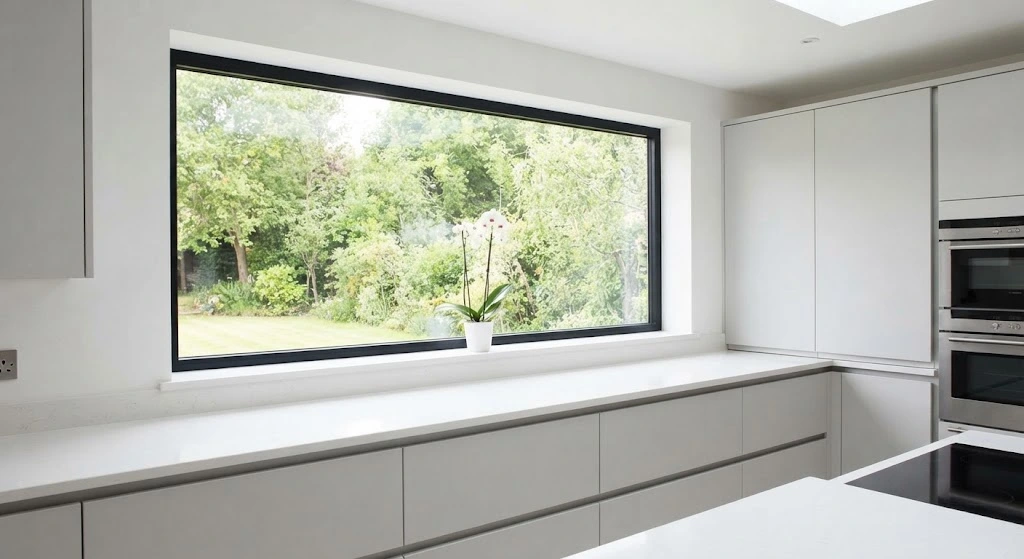
Modern kitchens often benefit from simple window designs with clean frames and minimal decoration. Large rectangular windows, black or neutral frames, and uncluttered treatments can complement sleek cabinetry and streamlined worktops.
For a contemporary appearance, consider using a large fixed window alongside an opening section for ventilation. Keeping the surrounding area simple allows the window itself to become an architectural feature without making the kitchen feel visually busy.
Traditional Kitchen Windows for a Warm, Classic Feel
Traditional kitchens can suit windows with divided panes, decorative frames, or softer proportions. These details work particularly well with shaker cabinets, natural materials, classic hardware, and warm colour schemes.
A traditional window does not have to look old-fashioned. Combining a classic frame with modern glazing and practical window treatments can give you the character you want while maintaining comfort and energy efficiency.
Farmhouse Kitchen Window Ideas for a Cosy, Inviting Space
Farmhouse-style kitchens often look best with windows that emphasise simplicity and natural light. A window above the sink framed by open shelving, timber accents, or simple curtains can create a relaxed focal point.
You can also use the windowsill for small potted herbs or plants to reinforce the connection with nature. Keep accessories limited, however, so the area remains practical and easy to clean.
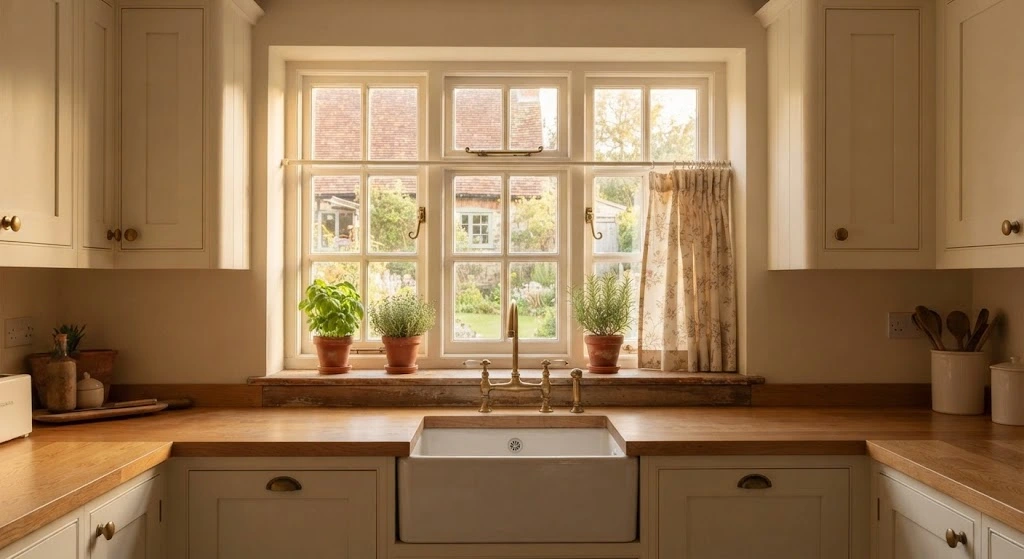
Large Kitchen Windows for Maximum Natural Light
If your kitchen has enough wall space, a large window can become a major design feature. Expansive glazing can flood the room with daylight and provide views of a garden, patio, or surrounding landscape.
Large windows are especially effective in open-plan kitchens because they help visually connect the cooking and dining areas with the outdoors. Consider solar exposure and privacy before choosing an oversized design, particularly if the window faces a busy street or neighbouring home.
Kitchen Window Ideas for Natural Light and Better Ventilation
Picture Windows for Bright, Open Kitchen Spaces
Picture windows are fixed, meaning they do not open, but their large glass area makes them excellent for maximising views and daylight. They work well when paired with a separate opening window nearby to provide ventilation.
This combination can give you the visual impact of a large glazed area while still allowing fresh air into the kitchen. It is particularly useful for kitchens overlooking attractive outdoor spaces.
Casement and Awning Windows for Improved Airflow
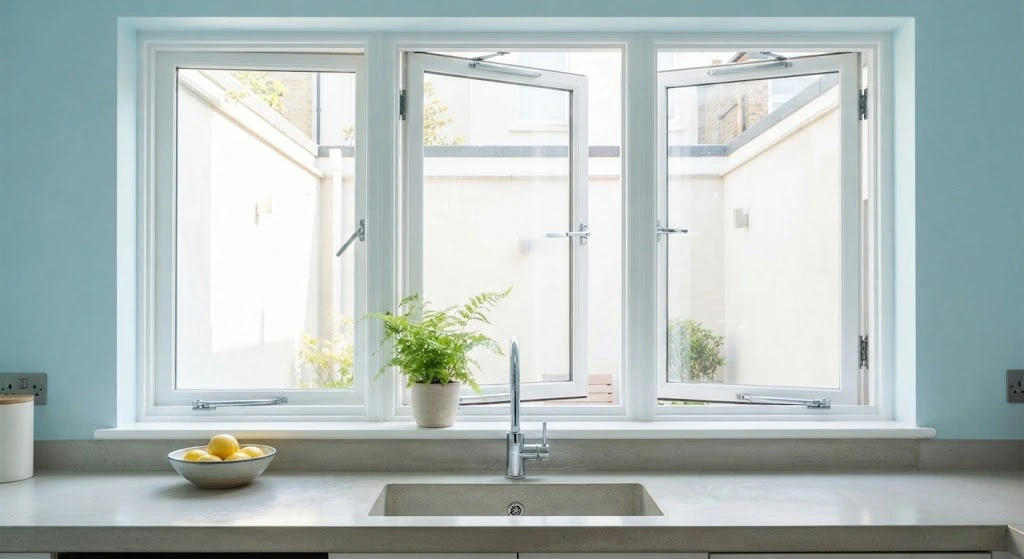
Casement windows are hinged and open outward, making them a practical option when ventilation is a priority. Awning windows are hinged at the top and can allow airflow while offering some protection from light rain when partially open.
Both options can work well above or beside a kitchen sink, depending on the available space. Before installing one, make sure its opening mechanism will not interfere with walkways, taps, cabinets, or outdoor areas.
Bay and Bow Windows for Added Light and Space
Bay and bow windows project outward from the wall, creating additional visual and physical space. They can make a kitchen feel more expansive while providing several angles for natural light.
If you have enough room, the extended area can also become a useful spot for plants, a breakfast nook, or decorative features. These windows tend to work best when incorporated into the kitchen layout from the beginning.
Skylights and Clerestory Windows as Alternative Options
If conventional wall space is limited, look above eye level. Skylights can introduce substantial daylight from above, while clerestory windows positioned high on a wall can brighten the room without taking up valuable cabinet space.
These options can be particularly useful in kitchens surrounded by neighbouring buildings where standard windows may compromise privacy. They can also create an interesting architectural feature without requiring a large opening at worktop level.
Small Kitchen Window Ideas for Limited Spaces
Compact Windows That Maximize Natural Light
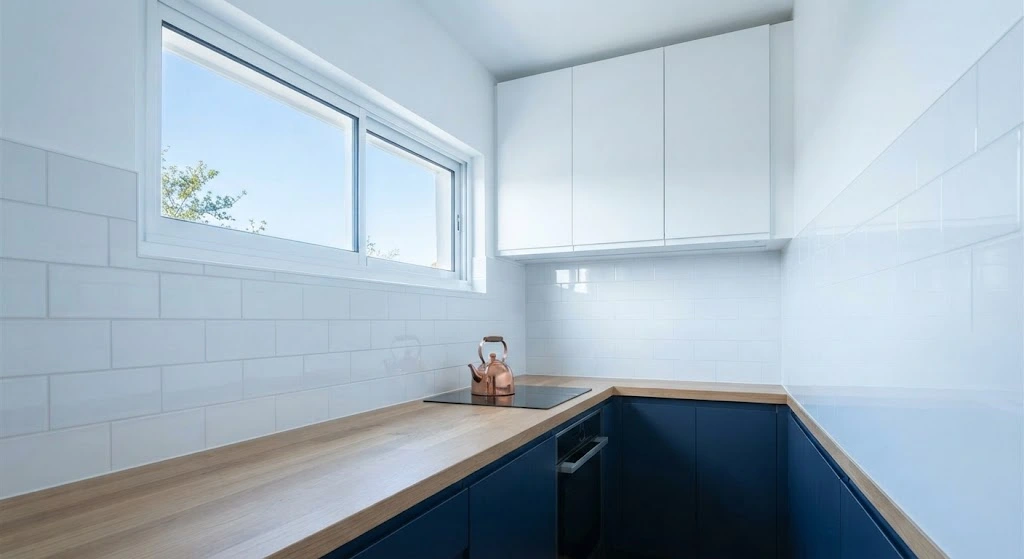
A small kitchen does not necessarily need a large window to feel bright. A carefully positioned horizontal window can bring daylight into the room without sacrificing too much wall space for cabinetry or appliances.
If possible, position the window where it can brighten a key working area. Light-coloured walls, reflective splashbacks, and glass-fronted cabinetry can further help distribute daylight throughout the space.
Sliding and Awning Windows for Space-Saving Functionality
Sliding windows can be useful when you want ventilation without an outward-opening sash taking up space. Awning windows are another practical choice because their compact operation can work well in tighter areas.
When selecting a window for a small kitchen, pay attention to how it opens as well as how it looks. A design that requires plenty of clearance may become inconvenient in a busy cooking area.
Using Window Placement to Make a Small Kitchen Feel Larger
The position of a window can influence how spacious the kitchen feels. Placing one at the end of a narrow kitchen can draw the eye towards the outdoors, creating a stronger sense of depth.
Avoid surrounding a small window with too many bulky cabinets or decorative items. Keeping the area visually open allows daylight to become part of the room’s overall design.
Kitchen Window Treatment Ideas for Privacy and Style
Roman Shades for a Soft, Tailored Look
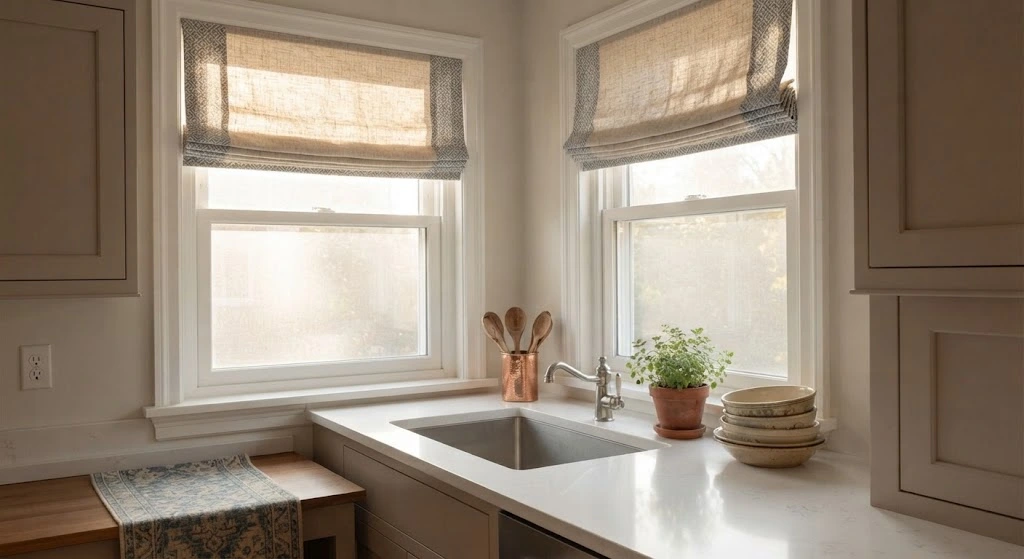
Roman shades offer a polished appearance and can introduce colour, pattern, or texture without overwhelming the kitchen. They are especially suitable for traditional, transitional, and contemporary spaces.
Choose a fabric that is easy to maintain and appropriate for a room exposed to moisture, cooking fumes, and occasional splashes. A simple pattern can also add personality without competing with cabinetry.
Blinds and Shutters for Flexible Light Control
Blinds allow you to adjust privacy and sunlight throughout the day. Shutters can provide a more architectural appearance while offering excellent control over light and visibility.
For busy kitchens, materials that are easy to wipe clean are generally preferable. Consider how much cooking heat, grease, and moisture the treatment will be exposed to before making your choice.
Curtains and Café Curtains for Added Warmth
Café curtains cover only part of the window, making them useful when you want privacy while keeping the upper portion open to daylight. They can also add a cosy touch to farmhouse and traditional kitchens.
For a more contemporary look, choose simple curtains in a neutral fabric. Avoid excessively long or bulky treatments near worktops and cooking areas where they could become difficult to manage.
Choosing Moisture-Resistant Window Treatments for Kitchens
Kitchens can expose window treatments to steam, humidity, grease, and splashes. Materials that resist moisture and are easy to clean are therefore more practical than delicate fabrics.
Always consider the window’s proximity to the sink, hob, and dishwasher. The closer the treatment is to these areas, the more important durability and easy maintenance become.
Kitchen Window Decor Ideas to Enhance the Area
Decorating the Windowsill Without Creating Clutter
A windowsill can be a useful decorating opportunity, but it should not become a storage area. Choose a few carefully selected items such as a small plant, decorative container, or simple ornament.
Keep enough clear space for cleaning and avoid placing anything that could interfere with the window’s operation. In a working kitchen, practical simplicity usually looks better than excessive decoration.
Adding Plants, Herbs, and Decorative Accessories
Fresh herbs and small plants can make the kitchen feel more vibrant while adding a natural element around the window. Basil, mint, rosemary, and other compact herbs can be especially useful if the location receives sufficient light.
Just make sure the plants can tolerate the temperature and light conditions around the window. Use attractive but easy-to-clean pots to keep the area looking organised.
Coordinating Window Decor With Cabinets and Countertops
Your window does not need to match every element in the kitchen, but it should feel connected to the wider colour scheme. Consider coordinating frame colours, shades, curtains, and accessories with your cabinetry, worktops, splashback, or flooring.
Repeating one or two colours around the room can create a more cohesive appearance. This approach allows the window area to feel intentionally designed rather than added as an afterthought.
Creating a Focal Point Around the Kitchen Window
If your kitchen has an attractive view or distinctive window shape, let it become a focal point. Keep surrounding surfaces relatively simple and use lighting, plants, or carefully selected décor to draw attention to the area.
A statement splashback or contrasting cabinet colour around the window can also create visual interest. The key is to enhance the window rather than compete with it.
How to Choose the Right Kitchen Window for Your Home
Consider the Kitchen Layout and Countertop Placement
Start by looking at your existing or planned kitchen layout. Check the relationship between the window, worktops, sink, cabinets, appliances, and walkways before selecting a design.
Window height is particularly important above a sink or worktop. The opening should provide useful daylight and ventilation without creating awkward conflicts with cabinetry or fittings.
Match Window Materials, Frames, and Colours to Your Kitchen
Window frames can have a surprisingly strong effect on the overall appearance of a kitchen. White frames can create a light, traditional feel, while darker frames can add contrast and a more contemporary character.
Consider the existing finishes in the room before choosing a frame colour. Matching or complementing your cabinet hardware and other architectural details can help create a unified look.
Think About Energy Efficiency, Maintenance, and Durability
Appearance is only one part of choosing a kitchen window. Look for quality glazing and frame materials that can provide good insulation and withstand everyday use.
Also consider cleaning requirements. Kitchen windows can collect grease and condensation more quickly than windows in other rooms, so easy-to-maintain designs can save time in the long run.
Consider Privacy and Sun Exposure Before Choosing a Window
Think about where the window faces and how much direct sunlight enters throughout the day. Strong afternoon sun can cause glare and may gradually affect certain finishes, while a street-facing window may require additional privacy.
Window films, shades, blinds, or textured glass can help manage these concerns. Planning for privacy and sunlight from the beginning will make your chosen design more functional.
FAQs
What type of window is best for a kitchen?
Casement windows are a popular option because they provide good ventilation and can be easy to operate. However, the best choice depends on your kitchen layout, available wall space, privacy requirements, and desired style.
How can I make my kitchen window look better?
Keep the area uncluttered and choose a treatment that complements your cabinets and worktops. Plants, herbs, a simple shade, or a coordinated frame colour can also enhance the window without making it look overcrowded.
What are the best kitchen window ideas for small kitchens?
Compact sliding, awning, or horizontal windows can provide useful daylight without taking up too much wall space. Strategic placement can also make a small kitchen feel deeper and more open.
What window treatments work best over a kitchen sink?
Moisture-resistant blinds, shutters, Roman shades made from suitable fabrics, and café curtains can all work well. Choose a treatment that is easy to clean and will not interfere with the sink or tap.
How can kitchen windows provide more natural light?
Larger glazing, strategically positioned windows, skylights, and clerestory windows can all increase daylight. Keeping nearby surfaces light and avoiding heavy treatments can help distribute that light throughout the kitchen.
Conclusion
The right kitchen window can improve far more than the appearance of your space. From increasing natural light and ventilation to adding privacy, character, and a stronger connection with the outdoors, a well-planned window can become one of the most valuable features in a kitchen.
Whether you prefer modern kitchen window ideas, a classic design, or a practical solution for a compact room, focus on how the window will work with your layout and daily routine. Choose the right size, placement, glazing, frame, and treatment, and your kitchen can become brighter, more comfortable, and more inviting for years to come.