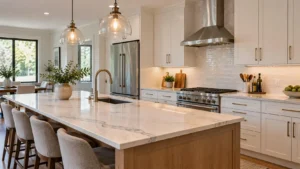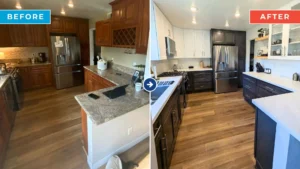

A well-designed kitchen is about more than cabinets and countertops. The walls can play an equally important role in adding colour, texture, personality, and visual interest to the space. The right kitchen wall accent can turn an overlooked surface into a standout feature while still supporting the practical needs of a busy kitchen.
Whether you prefer sleek modern finishes, warm farmhouse details, or timeless traditional materials, there are plenty of ways to create an attractive focal point. From statement tiles and bold paint to wood panelling and decorative shelving, these ideas can help you create a kitchen that feels both stylish and functional.
What Is a Kitchen Wall Accent?
A kitchen wall accent is a wall or section of wall designed to stand out from the surrounding surfaces. It may feature a different colour, material, pattern, texture, or decorative treatment to create a visual focal point. Unlike simply decorating every wall, an accent approach gives the kitchen a deliberate feature without making the space feel visually overwhelming.
How an Accent Wall Can Transform a Kitchen
An accent wall can instantly add character to an otherwise plain kitchen. A patterned tile, deep paint colour, exposed brick finish, or timber-effect treatment can draw attention to a particular part of the room and make the overall design feel more considered.
Accent walls can also help establish the mood of the kitchen. Soft neutrals create an understated appearance, while rich colours and textured materials can make the room feel warmer, more dramatic, or more contemporary.
Choosing the Right Wall for a Kitchen Feature
The best wall is usually one that naturally attracts attention. This could be the wall behind a hob, sink, dining table, breakfast area, or open shelving. Consider how the wall is viewed from the main entrance and other areas of the home before choosing your feature.
Avoid selecting a wall simply because it is empty. The accent should have a purpose within the layout and complement the kitchen’s existing focal points rather than competing with them.
Balancing Style, Function, and the Existing Kitchen Design
A successful kitchen wall accent should work with the rest of the room. Consider your cabinet finish, worktops, flooring, hardware, lighting, and appliances when selecting colours and materials.
Function is equally important. Walls close to cooking and food preparation areas should generally use finishes that are durable, easy to clean, and resistant to moisture and everyday splashes.
Kitchen Accent Wall Ideas for Different Styles
The best kitchen accent wall ideas are those that reinforce the style already present in the room. Instead of choosing a feature simply because it is fashionable, look for materials and colours that make sense with your kitchen’s architecture and finishes.
Modern Kitchen Wall Ideas With Clean, Minimal Finishes
Modern kitchens often benefit from simple materials with strong visual impact. Large-format tiles, smooth stone slabs, microcement-style finishes, or a carefully selected paint colour can create a clean feature without adding unnecessary visual clutter.
For a minimalist look, keep the palette restrained and let one material or colour provide the contrast. Integrated lighting can further highlight the wall without taking attention away from the kitchen’s streamlined design.
Rustic and Farmhouse Kitchen Feature Wall Ideas
Rustic kitchens work particularly well with natural textures. Reclaimed-look timber, brick, stone, shiplap-style panelling, and warm neutral paint can introduce character and create a comfortable farmhouse atmosphere.
Open shelves displaying ceramics, wooden chopping boards, or simple kitchen accessories can complement the wall while adding useful storage. The result feels welcoming rather than overly polished.
Contemporary Kitchen Accent Walls With Bold Materials
Contemporary designs offer more freedom to experiment with dramatic finishes. Consider veined stone, geometric tiles, fluted panels, metallic details, or a bold colour block to create a distinctive feature.
If the kitchen already contains several strong finishes, choose one statement element and keep the surrounding surfaces relatively simple. This prevents the space from feeling busy.
Traditional Kitchen Wall Designs With Timeless Details
Traditional kitchens can benefit from classic subway tiles, decorative moulding, beadboard, patterned wallpaper, or muted paint shades. These details provide interest while maintaining a timeless appearance.
For a more elegant result, coordinate the wall treatment with cabinet profiles and traditional hardware. Small details such as framed artwork or a classic plate display can complete the look.
Popular Kitchen Wall Accent Materials and Finishes
Material selection can influence both the appearance and practicality of your accent wall. Think about cleaning requirements, durability, installation, and how the finish will look under natural and artificial light.
Tile Accent Walls for Colour, Texture, and Easy Cleaning
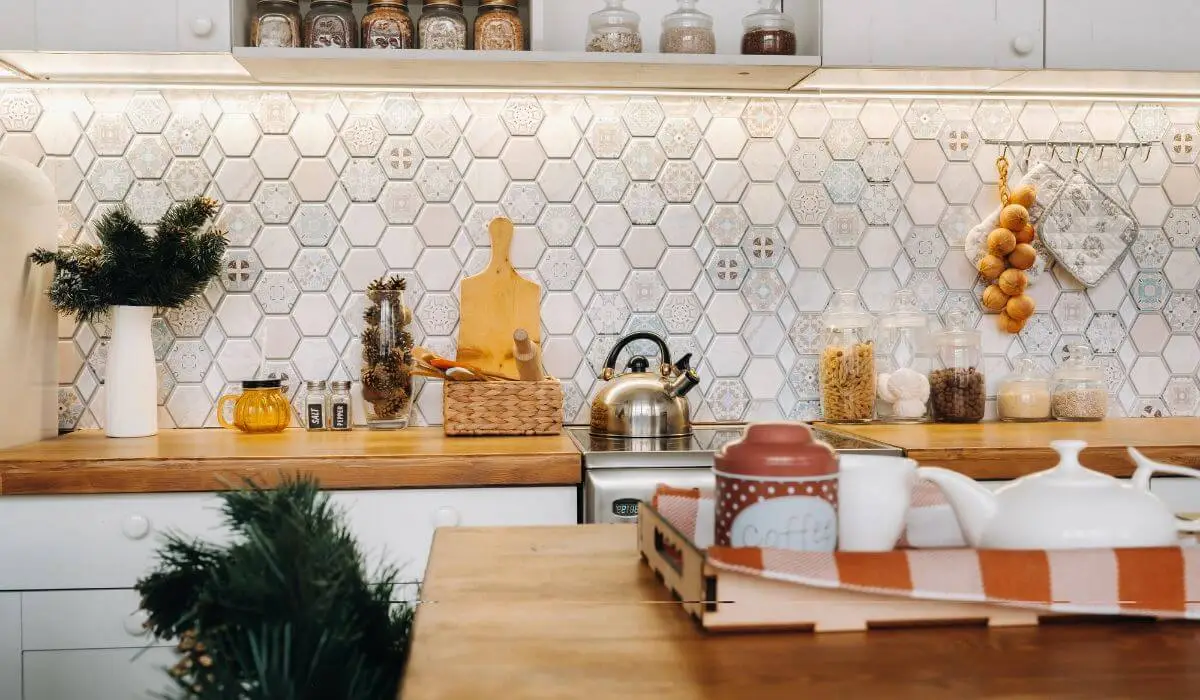
Tile remains one of the most practical choices for kitchens and kitchen backsplashes. Ceramic and porcelain tiles are available in countless colours, shapes, sizes, and patterns, making it easy to create anything from a subtle backdrop to a dramatic statement wall.
A tiled accent can be particularly useful behind a cooking area because the surface is relatively easy to wipe clean. Large-format tiles can create a more seamless appearance, while smaller patterned tiles can add decorative character.
Wood and Wood-Look Wall Treatments for Warmth
Wood can soften kitchens dominated by hard surfaces such as stone, metal, and glass. Timber slats, panelling, or wood-look products can introduce warmth and texture without requiring a complete change to the kitchen layout.
For areas exposed to moisture or heavy cooking activity, choose a suitable moisture-resistant product and follow the manufacturer’s installation and maintenance recommendations.
Stone and Brick Accent Walls for Natural Character
Natural or manufactured stone and brick can create a strong architectural focal point. Their texture works particularly well in rustic, industrial, and contemporary kitchens where a sense of depth is desirable.
Because these materials can be visually heavy, they are often most effective on one carefully selected wall. Pairing them with simple cabinets and understated décor can create a balanced result.
Paint, Wallpaper, and Decorative Panels for Versatile Designs
Paint is one of the easiest and most affordable ways to create an accent. Wallpaper can introduce patterns and personality, while decorative panels can add texture or architectural interest.
When using wallpaper or other less durable finishes, consider their location carefully. A wall away from direct cooking splashes may be a better choice than the area immediately behind a hob or sink.
Kitchen Accent Wall Colors That Make a Statement
Colour is one of the simplest ways to change the character of a kitchen. The right shade can highlight architectural features, create contrast, or make a neutral kitchen feel more inviting.
Neutral Kitchen Accent Colors for a Sophisticated Look
Warm white, beige, greige, taupe, and soft grey can create an elegant feature without overwhelming the room. These shades work particularly well when cabinets or countertops already have noticeable patterns or textures.
You can also create contrast by using two different tones from the same colour family. This produces a layered appearance while keeping the overall design cohesive.
Bold and Dark Colors for Dramatic Kitchen Walls
Deep green, navy, charcoal, terracotta, and other rich shades can create a striking focal point. Dark colours are especially effective when paired with lighter cabinets, worktops, or natural timber.
Before committing to a dramatic shade, test samples under different lighting conditions. A colour can appear significantly different during bright daylight compared with evening illumination.
Warm Earth Tones for a Cosy Kitchen
Earthy colours such as clay, olive, sand, brown, and muted terracotta can make a kitchen feel warm and connected to natural materials. They pair naturally with timber, stone, brass, and cream-coloured finishes.
These shades are particularly useful when you want a feature wall that feels distinctive without being excessively bold.
How to Match Accent Wall Colors With Cabinets and Countertops
Start by identifying the dominant colours already present in the kitchen. Your accent colour does not need to match these elements exactly, but it should complement their undertones.
If your kitchen countertop has prominent veining or patterning, consider using a quieter wall colour. Conversely, simple white or neutral worktops can provide an excellent backdrop for a more expressive accent wall.
Kitchen Wall Decor Ideas to Enhance an Accent Wall
Once the main finish is selected, carefully chosen décor can enhance the feature without distracting from it. The key is to select pieces that provide either visual interest or practical value.
Open Shelving for Style and Everyday Storage
Open shelves can turn an accent wall into a useful display and storage area. Use them for frequently used dishes, cookbooks, glassware, plants, or attractive containers.
Avoid overcrowding the shelves. Leaving some open space allows the wall finish to remain visible and keeps the kitchen looking organised.
Artwork, Wall Signs, and Decorative Displays
Framed artwork, typography, vintage signs, and decorative plates can personalise a kitchen. Choose pieces that reflect the overall style rather than introducing an unrelated theme.
For kitchens with patterned tiles or textured walls, keep artwork relatively simple so the different elements do not compete for attention.
Mirrors and Reflective Elements for Brighter Kitchens
A strategically placed mirror can reflect natural or artificial light and make a kitchen feel more spacious. Reflective backsplashes, metallic accessories, or glass-fronted elements can provide a similar effect.
These features can be particularly helpful in smaller kitchens where maintaining a sense of openness is important.
Plants and Natural Décor for a Fresh Look
Plants can add softness and a natural touch to hard kitchen surfaces. Small potted herbs, trailing plants, or carefully positioned greenery can make an accent wall feel more inviting.
Choose plants that suit the available light and kitchen conditions, and keep them positioned away from excessive heat where necessary.
Functional Kitchen Wall Accent Ideas
A feature wall does not have to be purely decorative. With thoughtful planning, it can improve organisation, define different areas, and make everyday kitchen tasks easier.
Creating a Practical Backsplash Accent Behind the Range
The wall behind the hob is a natural place for a statement backsplash. A contrasting tile, stone slab, or decorative pattern can create a focal point while protecting the wall from cooking splashes.
Choose a material that is suitable for the heat and cleaning demands of the area. Practicality should always come before appearance in high-use cooking zones.
Using Accent Walls to Define Dining and Breakfast Areas
An accent wall can visually separate a dining nook or breakfast area from the main cooking zone. A different paint colour, wallpaper pattern, or wall treatment can establish this distinction without requiring a physical partition.
This is especially useful in open-plan kitchens where several activities take place within one large space.
Combining Kitchen Wall Design With Storage Solutions
Wall-mounted shelves, rails, pegboards, and floor-to-ceiling cabinet storage can combine decoration with functionality.. A well-planned kitchen wall design can keep everyday items accessible while reducing clutter on countertops.
Use a consistent finish or colour palette so storage elements feel like part of the design rather than additions made after the fact.
Choosing Durable, Low-Maintenance Finishes for Busy Kitchens
Consider how often the wall will need cleaning before choosing a material. Smooth, washable surfaces are generally easier to maintain than highly textured finishes, particularly around cooking areas.
Durability is also important for households that use the kitchen frequently. A beautiful finish that is difficult to clean or easily damaged may not remain attractive for long.
How to Choose the Best Kitchen Wall Accent for Your Space
With so many materials and colours available, narrowing down your options starts with understanding the space itself. Look at the kitchen as a whole rather than selecting an accent wall in isolation.
Consider Your Kitchen Size, Layout, and Natural Light
Small kitchens can benefit from lighter colours, reflective finishes, or subtle textures that maintain a sense of openness. Larger kitchens can generally accommodate stronger colours and more substantial materials.
Natural light should also influence your choice. Dark finishes can create a cosy atmosphere but may absorb light, while pale or reflective surfaces can help brighten areas that receive less daylight.
Coordinate the Accent Wall With Cabinets, Flooring, and Fixtures
The accent should connect visually with your kitchen cabinets and other elements in the kitchen. Consider repeating a colour found in the kitchen flooring, cabinet hardware, countertop veining, or nearby furniture.
Using one or two shared design details can make the entire room feel intentional without requiring everything to match perfectly.
Know When to Choose a Subtle Accent vs. a Bold Feature Wall
Choose a subtle accent when your kitchen already has strong cabinets, patterned countertops, or statement lighting. A bold feature is more appropriate when the rest of the space is relatively restrained and can provide a backdrop for the main design statement.
The goal is balance. If everything competes for attention, the kitchen can quickly feel cluttered.
Common Kitchen Accent Wall Mistakes to Avoid
Some of the most common mistakes include choosing a colour without testing it, ignoring the practical requirements of the location, and using too many competing patterns. Another mistake is creating an accent wall that has no connection to the rest of the kitchen.
Before installation, look at material samples alongside your cabinets, countertops, flooring, and lighting. This simple step can help you avoid expensive design changes later.
FAQs
What is the best wall for a kitchen accent?
The best wall is usually one that naturally draws attention, such as the wall behind a range, sink, dining area, or open shelving. Choose a surface that supports the layout and can accommodate the desired material safely and practically.
What colors work best for a kitchen accent wall?
Popular choices include warm neutrals, deep green, navy, charcoal, earthy terracotta, and muted beige. The best colour depends on your cabinets, countertops, lighting, and overall kitchen style.
What is the most popular kitchen wall accent?
Tile is one of the most versatile choices because it combines decorative possibilities with durability and easy maintenance. Paint, stone, wood-look panels, and decorative wall treatments are also popular options.
How can I make a kitchen wall look more interesting?
You can add interest through colour, texture, patterned tile, wood panelling, artwork, open shelving, mirrors, or plants. Combining a strong wall treatment with a few carefully selected decorative elements can create a more polished result.
Are accent walls still popular in modern kitchens?
Yes. Accent walls remain useful in modern kitchens, although today’s designs often favour sophisticated materials, subtle contrasts, and purposeful feature areas rather than overly busy patterns. The most successful modern accents complement the kitchen’s architecture and overall palette.
Conclusion
A thoughtfully planned kitchen wall accent can add personality while making the room feel more complete and functional. Whether you choose statement tile, warm wood, natural stone, bold paint, or simple decorative shelving, the most important factor is how well the feature works with the rest of your kitchen.
Start by considering the wall’s location, available light, surrounding materials, and practical requirements. With the right balance of colour, texture, and function, even an overlooked kitchen wall can become one of the most attractive features in the room.